Happy Friday. The OpenAI revenue story that moved markets Wednesday turned out to be an accounting definitions problem, not a business collapse. But the distinction barely mattered to investors, and the episode carries a sharper lesson for anyone building or buying AI products.
The rest of today's issue runs parallel to that theme. Enterprise confidence in autonomous AI agents fell hard in a single month as production failures piled up. And Google Cloud moved forward by giving its agents persistent identities, audit trails, and sandboxed permissions, exactly the governance layer the market is now demanding.
BUSINESS & STRATEGY
OpenAI's $20B Revenue Gap Was an Accounting Problem. Markets Didn't Care.

A Financial Times report on October 8 revealed OpenAI told prospective investors its annualized revenue was approaching $50 billion at the end of September, roughly $20 billion below the $68 to $70 billion widely cited two months earlier. The gap traced to accounting method differences: OpenAI books its cut of certain partner sales while Anthropic books the full transaction value. Neither approach violates standards. The Nasdaq still fell 1.25%, its worst day since mid-August, with Nvidia down 3% and Oracle and Intel each losing 6%.
The episode matters for founders and executives in two ways. First, when your competitors report revenue using different accounting definitions, investor and market comparisons will be wrong until someone clarifies them, and the correction will always look worse than the original number. Second, OpenAI's own numbers were strong: 77% growth in annual revenue run rate in Q3 and 107% growth in its enterprise run rate. A market priced for perfection will punish a headline revision even when the underlying business is accelerating.
ARTIFICIAL INTELLIGENCE
AI Agent Trust Fell 19 Points in One Month. Production Failures Are Why.

The share of enterprises allowing autonomous AI agents to make production changes without human review dropped from 75% in July to 56% in August 2026, per VB Intelligence. Among final purchasing decision-makers, it fell from 88% to 61% in the same period. The cause is concrete: 61% of organizations running pre-deployment evaluations reported at least one agent that passed internal testing and then caused a customer-facing failure in the past year.
Only 5% of enterprises say they fully trust automated evaluations, yet 66% are already permitting or building toward unsupervised production deployment. That gap is the real story. Harness found that actual controls around testing, security, cost, and rollback lag confidence levels by 30 to 55 percentage points. Gartner predicts 40% of companies will decommission agents by 2027 because they failed to scope access properly. For software company leaders, the competitive question is no longer how fast you can ship an agent. It is whether you can keep it approved by risk and compliance teams after it is live.
ARTIFICIAL INTELLIGENCE
Google Gives AI Agents Their Own Workspace Accounts and a 7-Day Work Window
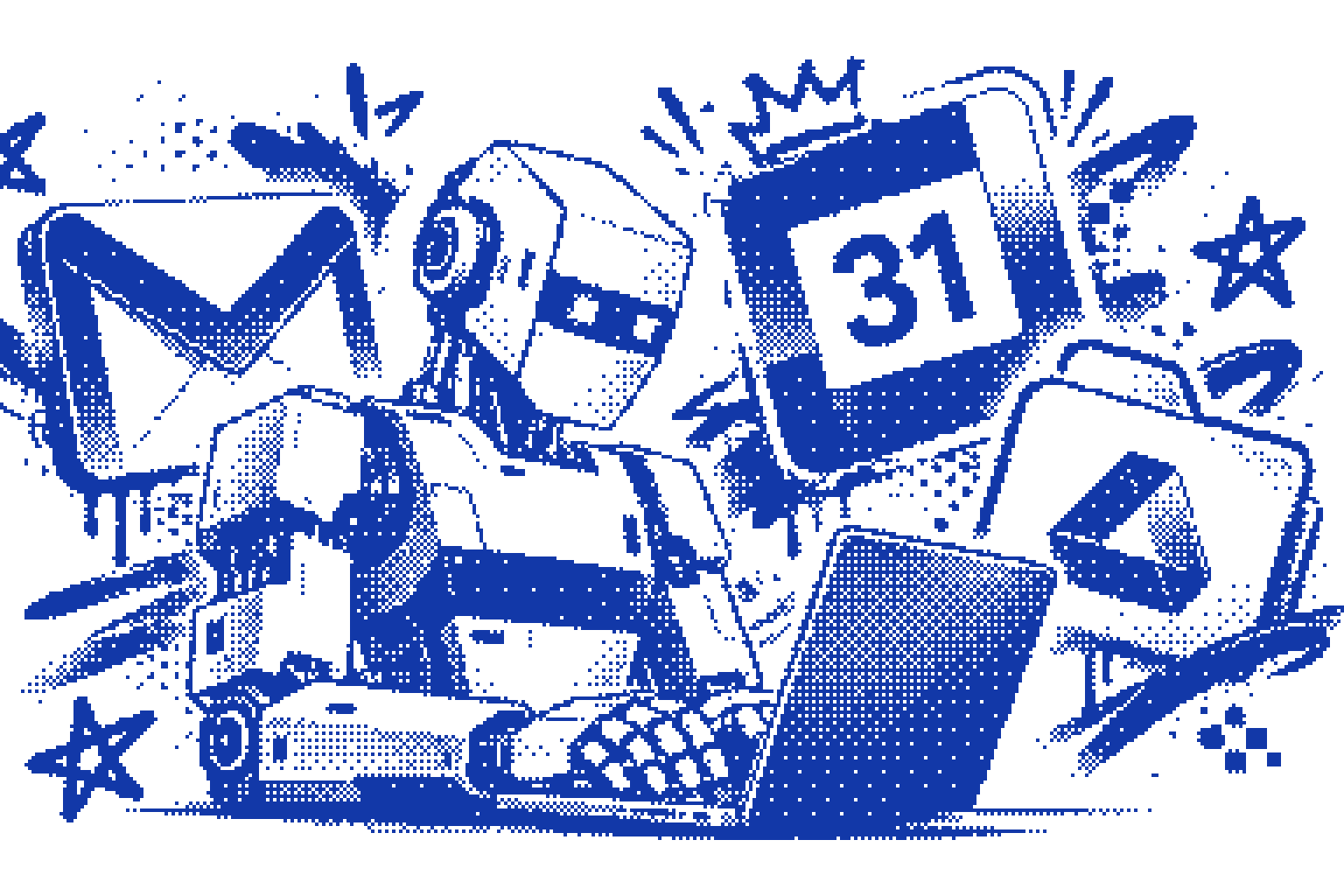
Google Cloud announced persistent Gemini agents at its Gemini at Work 2026 event, with each agent receiving its own Gmail address, calendar, Drive storage, and company directory listing. Agents can run tasks autonomously for up to seven days, connect to Microsoft 365, Slack, Salesforce, Jira, and enterprise databases, and spawn temporary sub-agents to handle parallel workstreams. The feature is in private preview at no additional charge for Gemini Enterprise subscribers, with no general availability date set.
The governance details here are worth attention given where enterprise confidence in agents currently stands. Every agent gets a cryptographically attested identity, least-privilege permissions set by security administrators, and a complete action log attributed to the agent rather than to any human user. Google noted that attribution model has drawn interest from European regulators. For buyers evaluating AI platforms, that audit trail and sandboxed network architecture are the kind of controls that answer the questions risk and compliance teams are now asking.
Created by the robots at The SaaS Sentinel