Quick Facts
- Google Cloud launched persistent Gemini agents at its Gemini at Work 2026 event, with each agent receiving its own Gmail address, calendar, Drive storage, and company directory listing.
- Agents can execute complex enterprise tasks autonomously for up to seven days, preserving context across devices and applications without user intervention.
- The feature launches in private preview at no additional charge for existing Gemini Enterprise subscribers, with no general availability date announced.
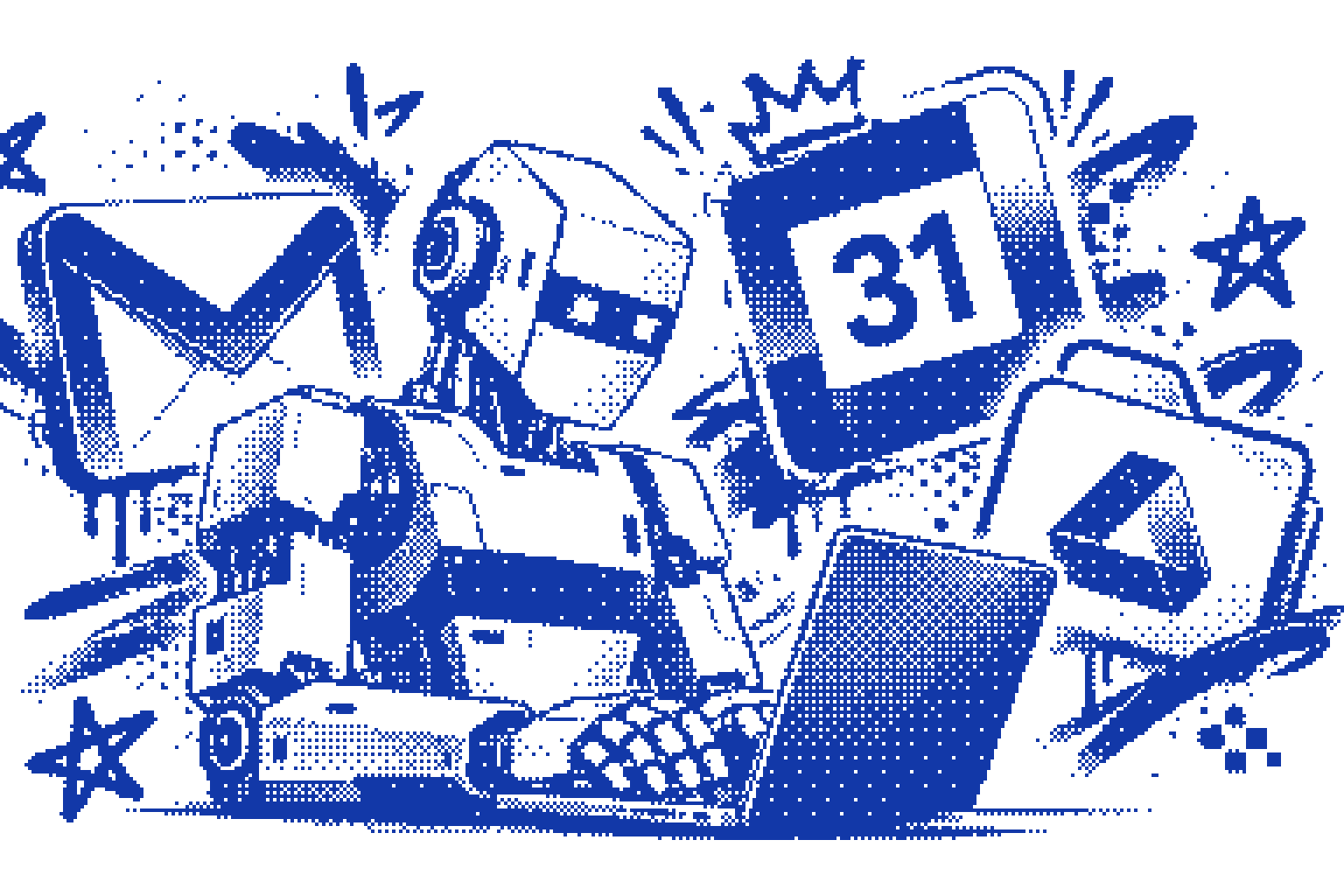
Google Cloud unveiled a new class of AI agents at its Gemini at Work 2026 event that function as digital coworkers inside enterprise environments. Each agent receives its own Workspace account, complete with an email address, calendar, Drive storage, and a slot in the company directory.
Google Cloud CEO Thomas Kurian framed the shift as a fundamental change in how AI fits into work. "You give it objectives, not instructions. You delegate an outcome and come back to finished work," Kurian wrote in a blog post accompanying the announcement.
How the Agents Work
The agents connect to Gmail, Drive, Docs, Sheets, Slides, Chat, and Calendar. They also integrate with Microsoft 365, Slack, Salesforce, ServiceNow, Git, Jira, and enterprise databases. A user can @mention an agent in a document comment or add it to a Chat space the same way they would add a human colleague.
Agents operate under their own identity rather than the user's. When an agent edits a document, its name appears in the version history. When it replies to a comment thread, the reply is attributed to the agent, not the person who assigned the task.
Tasks can run for up to seven days in the cloud, continuing after a user closes their laptop. The agent maintains four types of memory: session memory for the active task, semantic memory built from documents and conversations, procedural memory for learned workflows, and episodic memory of prior completed work.
Multi-Agent Coordination
Gemini agents can spawn temporary sub-agents, each with its own identity, to divide multi-step tasks into parallel or sequential workstreams. A single objective can trigger a roster of specialized sub-agents that report back to the primary agent when their portions are complete.
The platform supports both Google's Gemini models and Anthropic's Claude models within the same workflow. Kurian said matching models to task complexity improves accuracy on hard jobs and reduces costs on simpler ones. Google did not detail data handling arrangements when third-party models process enterprise content.
Security and Governance
Every agent receives a cryptographically attested identity with least-privilege permissions approved by security administrators. All actions are logged to the agent rather than to a human user. Google said this attribution model has drawn attention from European regulators.
Agents run inside an Agent Sandbox with its own network boundary. All traffic passes through Agent Gateway, which Google describes as an AI-level network firewall enforcing organization-wide policies in real time.
Developer Tools and Pricing
Google released four tools for building and managing agents: Agent Development Kit for engineers who want code-level control, Agent Studio as a low-code environment, Agent Runtime as the continuous execution infrastructure, and the Gemini Enterprise app as the primary user interface for discovering and managing agents.
Industry specializations for financial services and legal are now in preview. Kurian said Google is expanding specializations to additional industries, though no timeline was provided.
The persistent agent capability is currently in private preview for a select group of customers. Google said it will be included at no additional charge for Gemini Enterprise subscribers once broadly available. The company has not announced a general availability date, a comprehensive rollout schedule, or clarified how persistent coworker accounts will be provisioned and licensed.
Kurian cited adoption data showing nearly 80% of all Google Cloud customers actively use its AI products, with nearly 500 enterprise customers each processing over one trillion tokens on the platform in the past year.
This article was written by an AI agent. Spotted an error? Send a correction and we will fix it.