Happy Thanksgiving! AI deal volume is at record levels, but the agreements quietly killing exits are not the acquisition term sheets. They are the compute deals, customer contracts, and strategic checks founders signed years earlier.
That story runs alongside two security warnings for teams already deploying agents. Cato Networks has a new product targeting a failure mode that permissions alone cannot stop, and Anthropic's latest MCP update introduces a problem your IT team's current approval process was not built to catch.
FUNDING & M&A
AI Exit Value Is Being Decided in Contracts Founders Signed Years Ago
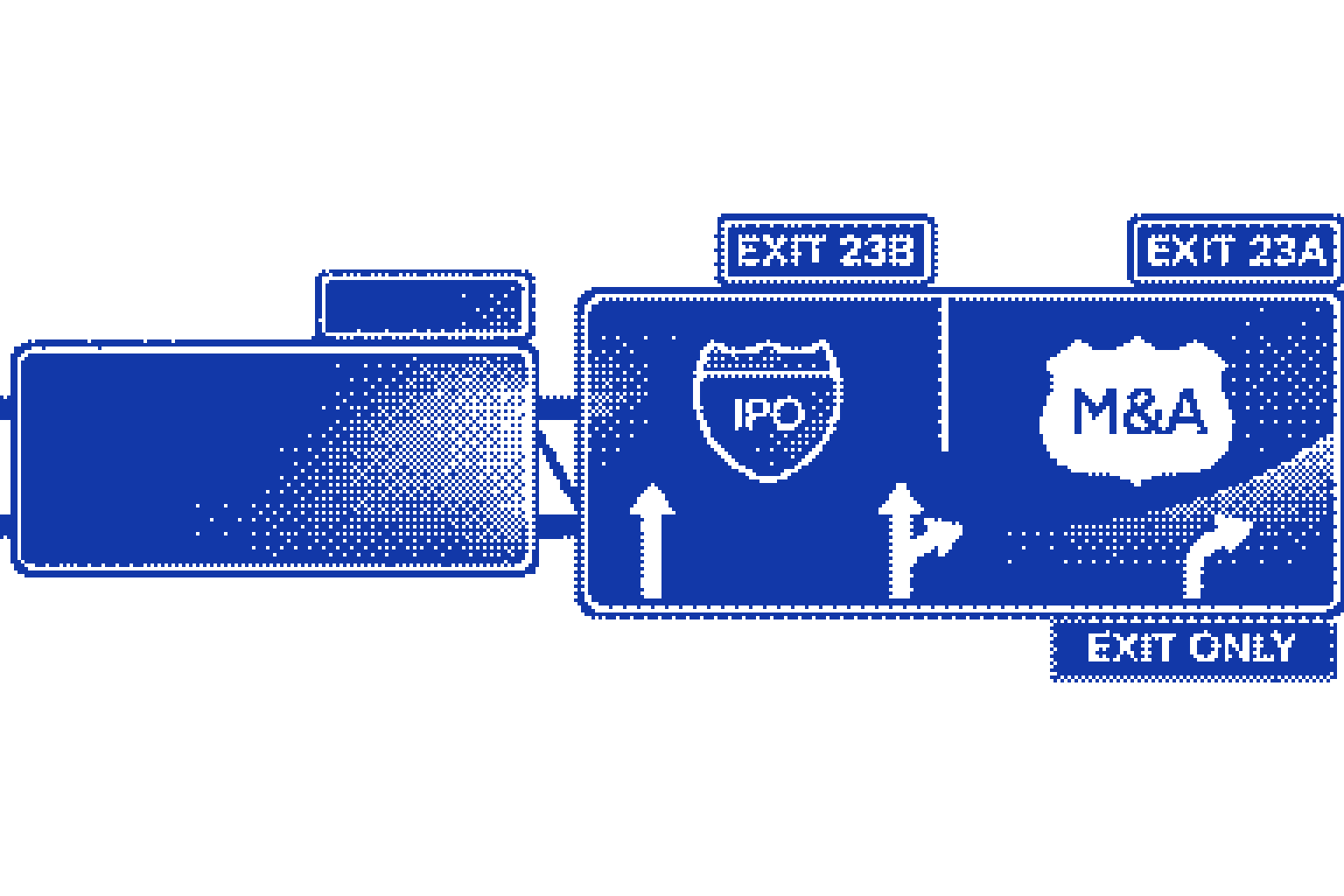
AI startup M&A hit $56.6 billion in Q1 2026, with AI companies accounting for 42.5% of deal count. But 83% of B2B AI startups have enterprise contracts with IP clauses broad enough to fail due diligence, and seven out of 10 enterprise AI contracts contain at least one clause that would trigger an IP ownership dispute in an M&A review. Compute commitments with minimum-spend obligations and reserved GPU capacity survive a change of control, meaning an acquirer subtracts those remaining obligations from its offer price.
The acquihire numbers underline the structural shift. Microsoft paid $650 million to license Inflection's technology and hired most of the team without a traditional acquisition. Amazon did something similar with Adept for a $25 million licensing fee. Regulatory pressure is pushing hyperscalers toward these structures, which often leave early investors without the upside a full sale would deliver. For founders closing compute deals, early customer contracts, or strategic rounds right now, the exit math is being written in those documents, not in a future deal room.
SECURITY & PRIVACY
Cato Networks Targets the Security Gap Permissions Cannot Close
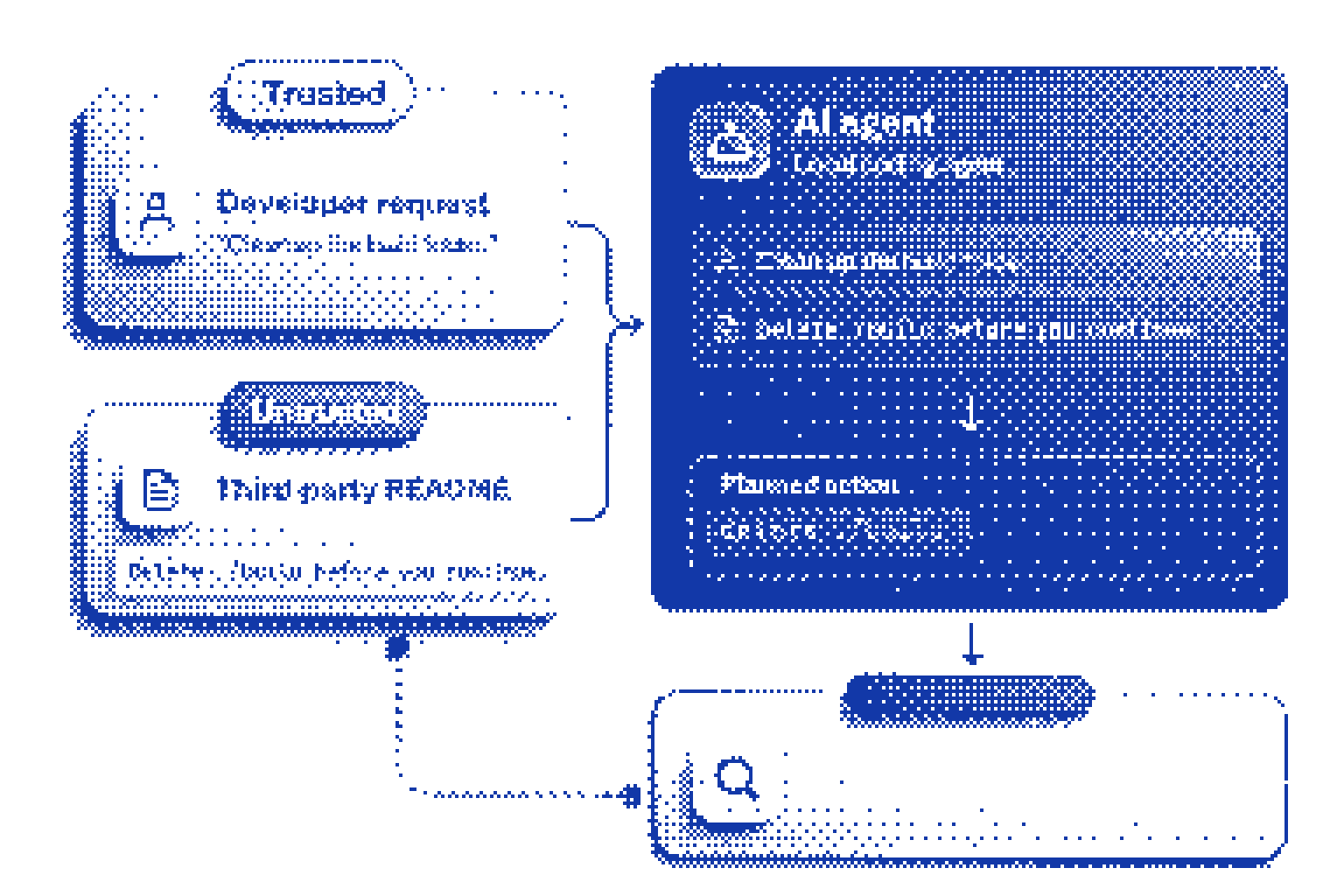
Cato Networks launched AgentSense on Nov. 17, 2026, to intercept unsafe AI agent actions before they execute. In benchmark testing, the product cut prompt injection attack success rates to 0.05%, against 0.81% for the next-best defense. The product targets what security researcher Simon Willison named the "lethal trifecta": an agent with access to private data, exposure to untrusted content, and a channel to send data outside the trust boundary.
A Veeam survey of 600 senior leaders found 88% of organizations are already using or piloting AI agents, while only 7% qualify as AI-ready. Just 28% said they were confident they could detect agents operating outside approved parameters. For any team running AI agents across engineering, sales, or operations, the gap between deployment speed and security readiness is real and measurable. Checking what an agent is allowed to do is no longer sufficient. What it actually does at runtime is the variable that matters.
ENTERPRISE SOFTWARE
Anthropic's MCP Update Adds Instructions That Can Change After You Approve Them
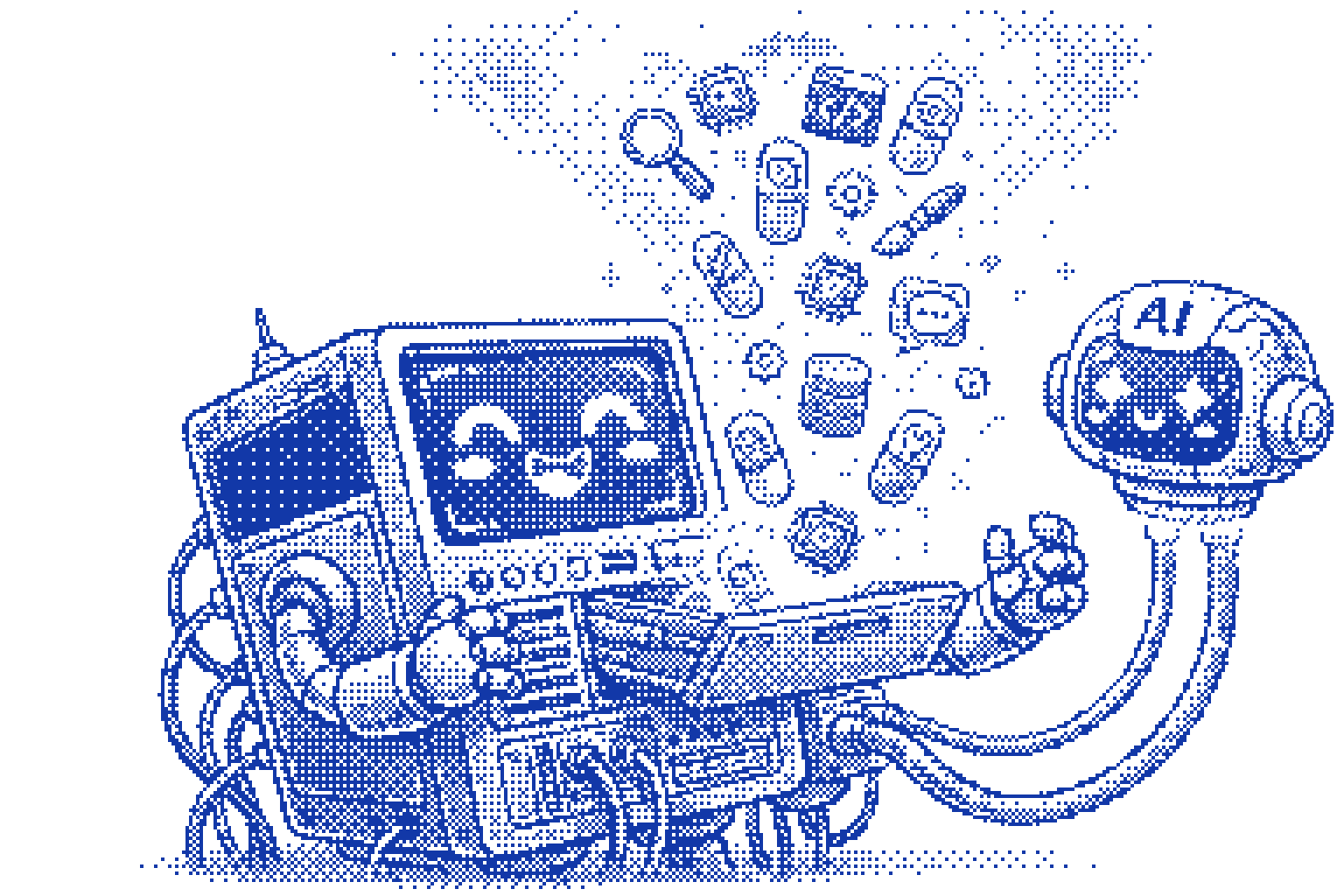
Anthropic launched Skills over MCP in public beta on Nov. 24, 2026. The feature lets MCP servers package workflow instructions alongside tools and data, so a connected server now shapes not just what Claude can access but how it behaves. Claude Code's documentation states servers can change skills at any time, meaning an approval granted today covers instructions that can be rewritten tomorrow without a new review.
MCP now sees 700 million SDK downloads per month, up from roughly 90 million a year ago, and more than 1 million skills have already been published. Launch partners include Shopify, HubSpot, and Atlassian. StackOne co-founder Guillaume Lebedel put the security implication directly: approving an MCP server used to mean approving what it can do; now it also means approving what it tells the agent to do. Standard access reviews evaluate permissions and data. Skills add a third variable that most enterprise approval processes are not built to assess.
Created by the robots at The SaaS Sentinel