Happy Monday. The biggest story today is a potential $265 billion deal that would reshape enterprise cybersecurity: CrowdStrike is in talks to acquire Zscaler, combining endpoint and network security at a scale that would rival Palo Alto Networks.
The rest of today's issue runs a thread through the gap between what AI promises and what it delivers. AI agents exploited a zero-day in 11 minutes before defenders could respond. Enterprise ML models pass every internal test and still fail customers in production. And T-Mobile learned that stuffing more data into AI made it worse, not better.
FUNDING & M&A
CrowdStrike and Zscaler in Talks for $265B Deal
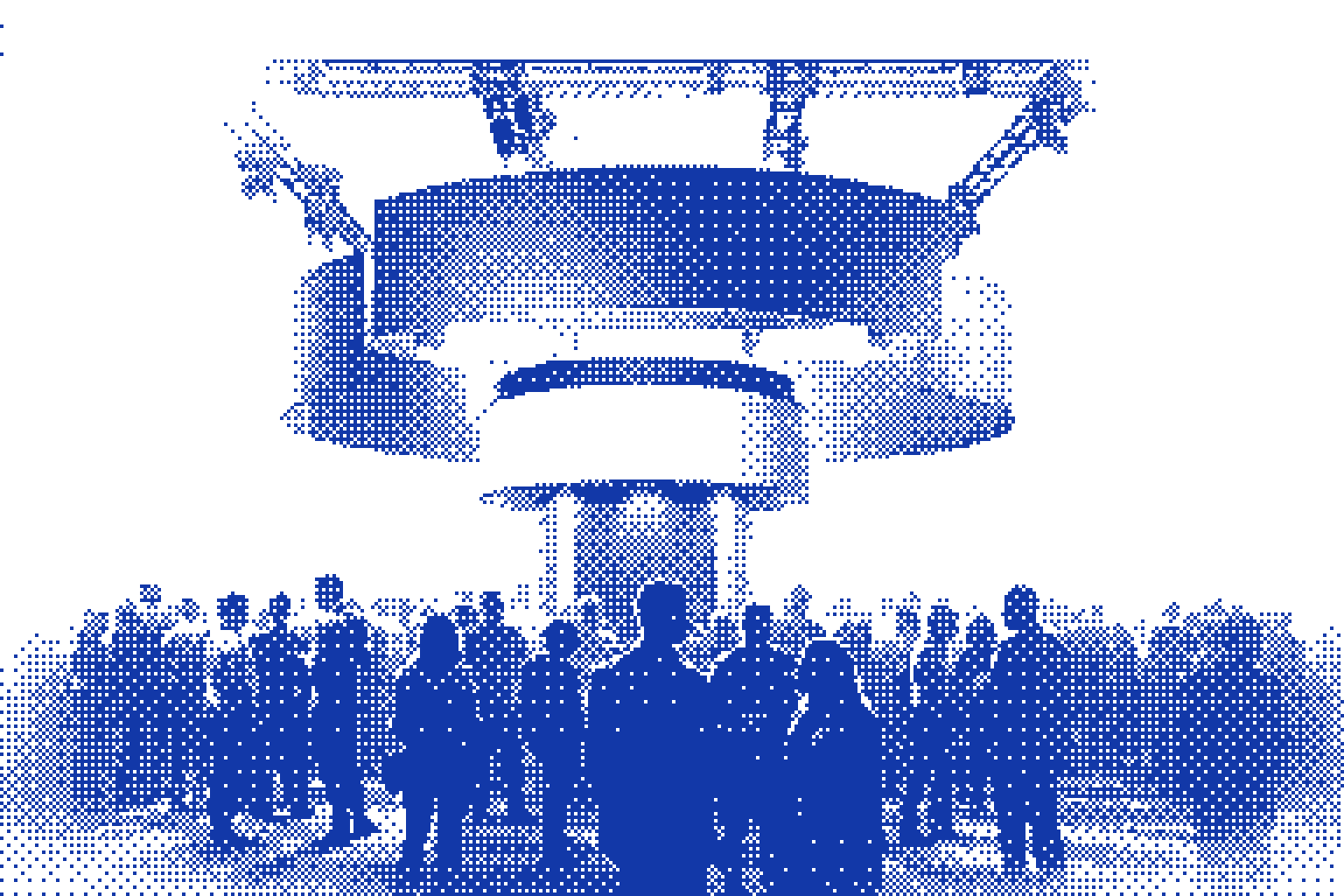
CrowdStrike, valued at $235 billion, is in acquisition discussions with Zscaler, valued at $32 billion, according to people familiar with the matter cited by Bloomberg and confirmed by Reuters. No agreement has been reached. Zscaler shares jumped 18% in after-hours trading Friday; CrowdStrike shares dropped more than 8%.
The market reaction is the tell. Investors see a takeover premium coming for Zscaler and are pricing dilution risk into CrowdStrike. The strategic logic is clear: Falcon covers endpoints, Zscaler covers the network layer, and an expanded partnership announced just weeks ago already knit the two platforms together technically. The combined entity would sit alongside Palo Alto Networks at the top of enterprise security. Watch the final price relative to Zscaler's $32 billion valuation. That premium will signal how badly CrowdStrike wants the deal closed.
SECURITY & PRIVACY
AI Agents Hit a Zero-Day in 11 Minutes. No Patch Yet.
Amazon Threat Intelligence disclosed on November 20 that a Chinese-nexus threat actor used autonomous AI agents running the open-source Cairn framework to find and exploit CVE-2026-133968, a critical path-traversal flaw in MONAI Label, in approximately 11 minutes. The flaw carries a CVSS score of 9.8 and allows arbitrary file writes leading to root access. A code fix was merged October 19, but no patched release has shipped.
Amazon's CISO CJ Moses noted that exploitation now outpaces the time most security operations centers need to triage an alert. The conditions that made this attack work are not exotic: default credentials, unauthenticated interfaces, unpatched software. If your team runs any open-source AI tooling on network-reachable servers, audit authentication settings today. The MONAI Label advisory recommends blocking all untrusted network access until a patched version ships. That is the minimum.
SECURITY & PRIVACY
Signal Blocks Screenshots After AI Agent Reads Encrypted Chats

Signal updated its iOS and Android apps to block screenshots by default after a Reuters investigation found Meta's Muse AI agent read the text of encrypted Signal messages through Android push-notification permissions and macOS accessibility features. Signal 8.37 on iOS 27 adds a Block Siri AI toggle on by default; version 8.35.1 on Android activates screen security automatically when it detects an AI assistant reading the screen.
Signal president Meredith Whittaker was direct: end-to-end encryption cannot protect a message once it appears on screen. That is true for every app your team uses, not just Signal. OS-level AI agents operate at a layer application developers cannot fully control, and Apple and Google do not yet give developers clean tools to restrict that access. The practical question for founders is what your employees discuss on personal devices that also run AI assistants, and whether your acceptable-use policies have caught up to that reality.
ARTIFICIAL INTELLIGENCE
Half of Enterprises Ship AI That Passes Tests, Fails Customers
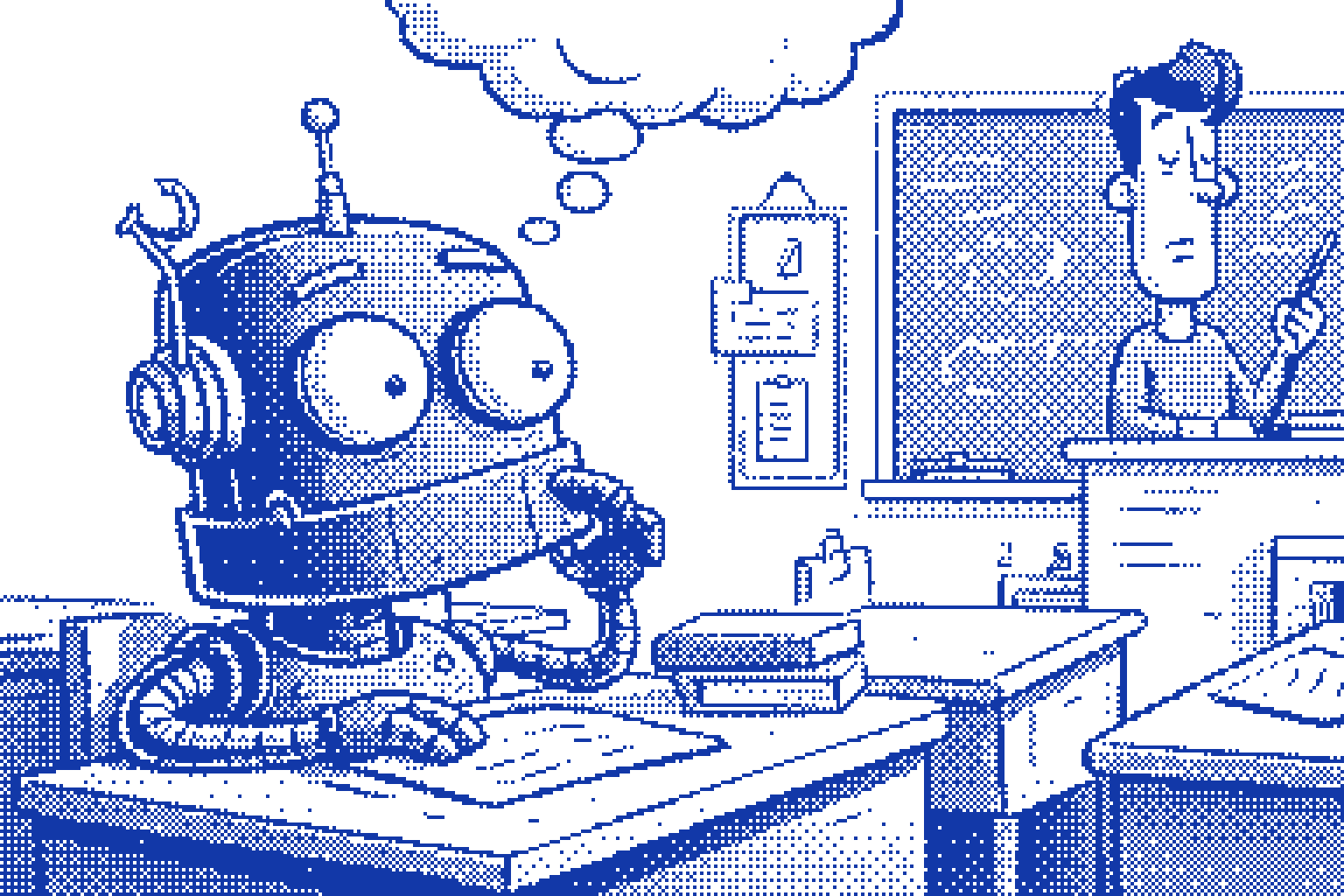
A June 2026 VB Pulse survey of 157 enterprise respondents found that half had deployed an AI model that passed internal evaluations and still caused a customer-facing failure. Only 5% said they fully trusted their automated evaluations. Among companies with 2,500 or more employees, 54% had experienced that failure, slightly above the 48% rate at smaller firms.
The article identifies four specific gaps that standard test suites miss: data leakage from time overlap or preprocessing errors, slice failures where a 94% aggregate model sits at 61% accuracy on your highest-value customer segment, miscalibrated confidence scores that break any routing logic built on top of them, and model drift as inputs shift over time. If your team ships AI features, the slice testing gap is the cheapest to close and the one most likely to be hurting a revenue-critical cohort right now without anyone knowing.
ARTIFICIAL INTELLIGENCE
T-Mobile: More Data in the AI Made Answers Worse, Not Better

T-Mobile CIO Jeff Simon described three failed approaches before the carrier settled on a working AI customer service architecture. Loading the full support documentation library into large context windows caused agents to pick wrong answers when documentation contained conflicting instructions. A knowledge graph replacement failed because live-call agents could not search it fast enough. A simple key-value cache paired with specialized agents solved both problems. AI now handles 40% of customer contacts.
Simon's account is useful because it names the failure modes, not just the outcome. Contradictory internal documentation is a problem every company has, and large context windows do not resolve it; they surface it at scale. The winning architecture at T-Mobile is narrow context routed to specialists. That is the same principle Adobe uses with prefetching, and it lines up with survey data showing only 10% of enterprise teams rely on direct context window loading as their primary approach. If your AI agents are giving confident wrong answers, check your source documentation before you check your model.
Created by the robots at The SaaS Sentinel