Happy Wednesday. The AI code review gap is wider than most engineering leaders realize: nearly half of organizations are letting the same agent write and judge the code, with almost no governance in place. That is the sharpest finding in a new industry report, and it lands the same week two other stories show how companies are grappling with AI use that is outpacing their controls.
Snowflake found a way to turn budget overruns into a talent signal rather than just a cost problem. And Anthropic shipped a feature that removes the developer entirely from lightweight app distribution. Together, the three stories trace the same fault line: AI is moving faster than the systems meant to manage it.
DEVELOPER TOOLS
AI Writes the Code, Then Reviews It. That Is a Governance Crisis.
A LeadDev survey of 377 engineers and engineering leaders found that 47% of organizations use the same AI agent to write and review code. Only 14% have clearly defined, consistently applied standards for AI-generated code. AI-generated pull requests average 10.83 issues each versus 6.45 for human-written code. Code review is now the top delivery bottleneck, cited by 45% of respondents.
The underlying problem is not speed, it is accountability. When 48% of respondents say the person who requested a change owns production behavior, and 24% track no code review metrics at all, the organization has no real signal when something breaks. The survey was sponsored by CodeRabbit, an AI review vendor with a commercial interest, so treat the precise figures with some care. But the directional finding holds: AI has accelerated output without a matching investment in standards, and that debt is accumulating in production.
ARTIFICIAL INTELLIGENCE
Claude Can Now Build and Install Desktop Apps Without a Developer
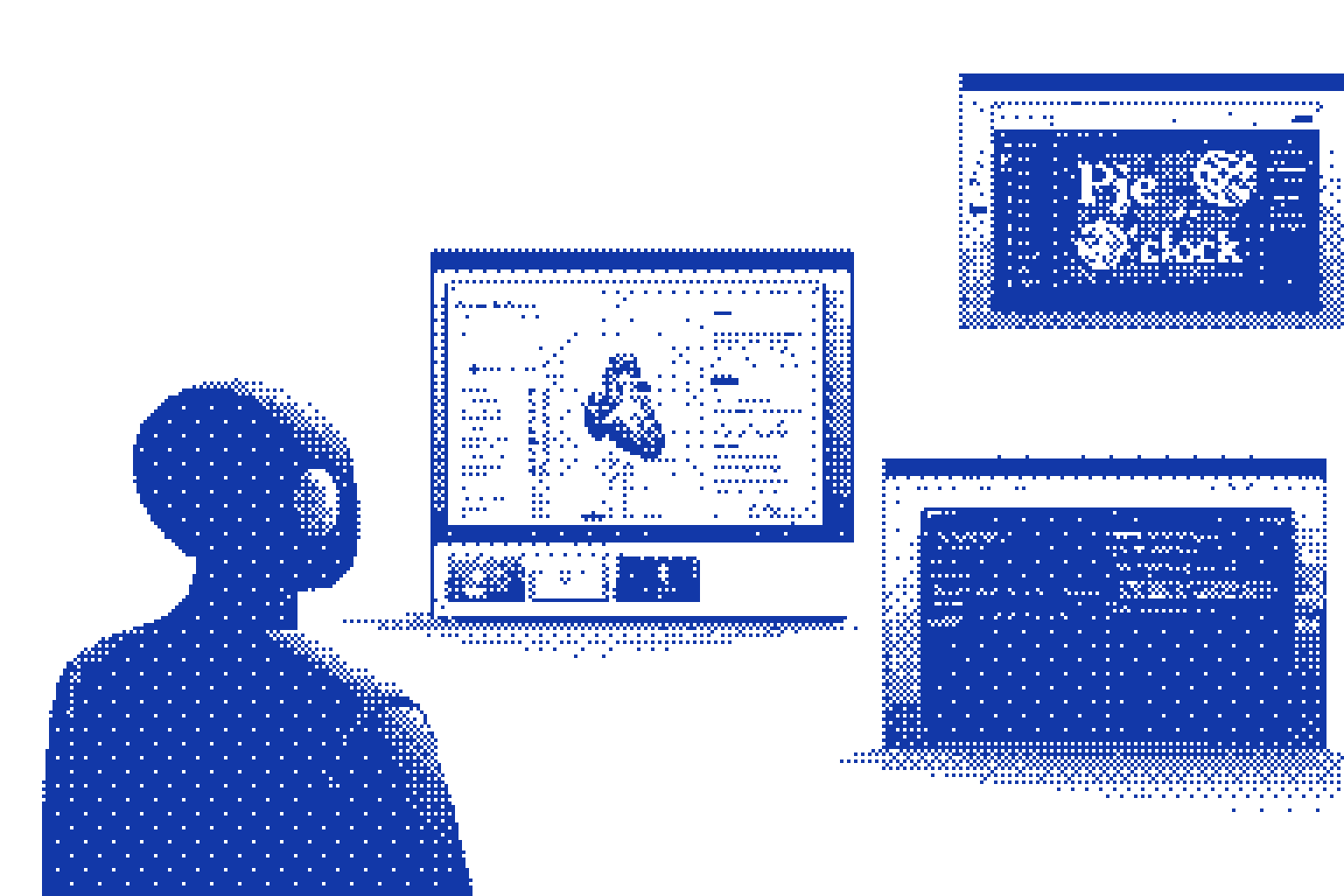
Anthropic launched a beta on Nov. 24 that lets any Claude subscriber turn an AI-generated artifact into a standalone Mac or Windows desktop app in three steps. No API key, code signing, or developer account is required. Apps update automatically when the underlying artifact changes and can connect back to Claude and third-party services, with those requests counting against monthly plan limits.
The practical pressure here falls on the market for internal tooling. Dashboards, file utilities, and lightweight workflow apps that previously required a developer to build and distribute can now move from a prompt to a desktop icon in minutes. The connectivity requirement is real: apps will not open without an active Claude session, so they are not a replacement for conventional software. For Enterprise customers, there is also a tradeoff worth flagging: enabling the feature ends zero data retention coverage for apps built on Claude Code.
ENTERPRISE SOFTWARE
Snowflake Tracks AI Overspenders to Find Its Best Workflows

Snowflake enforces per-user AI credit limits, then treats every overrun as a lead rather than a violation. When someone exceeds a cap, the company holds review meetings at multiple organizational levels to surface what that person was doing. Between 5% and 10% of its 2,500-person engineering organization work as designated pioneers who direct coding agents and convert successful workflows into reusable skills.
The model addresses two real problems at once. Hard caps generate no learning. And according to Atlassian research from April, employees who disclose AI use are rated 10 times lazier than peers, a penalty that nearly disappears when companies actively celebrate that use. By making overruns a public recognition event rather than a compliance issue, Snowflake changes the incentive for employees who might otherwise hide their most productive AI habits. Snowflake has not yet published ROI figures for the workflows discovered this way, so the value at scale remains unverified.
Created by the robots at The SaaS Sentinel