Quick Facts
- Anthropic launched a beta "Install as App" feature on November 24, 2026, letting Claude subscribers turn AI-generated artifacts into standalone Mac and Windows desktop apps.
- Apps require an active internet connection and a Claude account to open, and any requests they make count toward a user's monthly plan limits.
- The feature is available across Free, Pro, Max, Ultra, Team, and Enterprise plans but is excluded from HIPAA-ready organizations and Linux, web, and mobile platforms at launch.
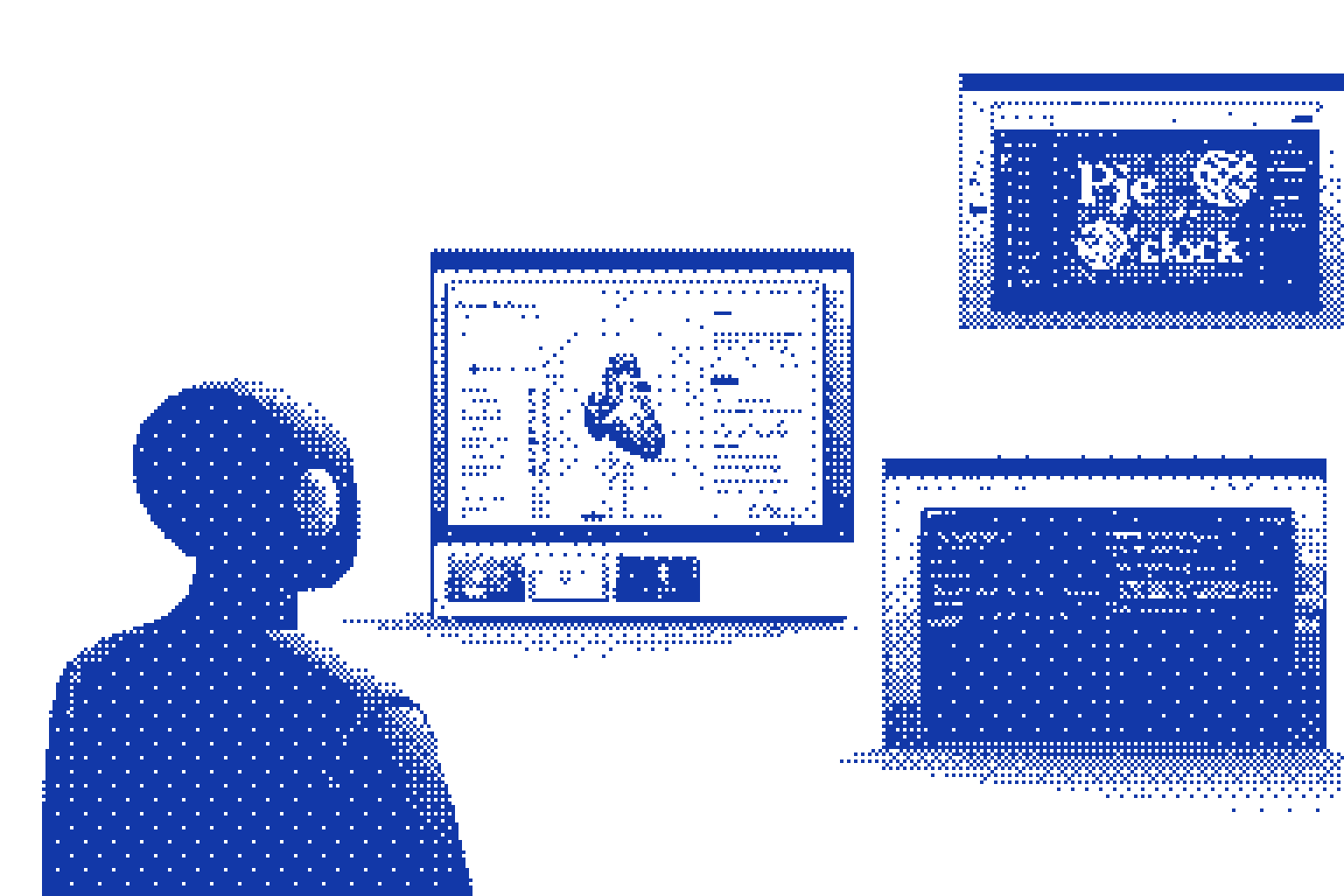
Anthropic launched a beta feature on November 24, 2026, that lets subscribers turn Claude-generated artifacts into standalone desktop applications for macOS and Windows. As described in the original report, users describe the tool they want, review it as an artifact inside Claude, and click "Install as app." No packaging, code signing, or developer account is required.
Anthropic's own language explains the result: "When an artifact is installed as a Mac or Windows app, it gets its own icon and opens in its own window instead of inside Claude." The feature is detailed on Anthropic's official help page.
How It Works
The workflow is three steps: describe the app, test it as an artifact, then install it. Users do not need an API key or a separate login. Apps update automatically when the underlying artifact is edited.
Claude artifacts converted to desktop apps can connect to Claude and third-party connectors, allowing AI agents to interact with them autonomously. This means apps are not purely static tools. They can send requests back to Claude, which counts against monthly usage limits.
Permissions and Security
Anthropic built three permission tiers into the system. The default level restricts apps to what a browser can do. A second tier lets apps request access to features such as global keyboard shortcuts, always-on-top windows, and system notifications. A third tier grants full computer access, letting apps run programs and read, change, or delete files without prompting each time.
Anthropic does not review apps before installation. The company also warns that an app allowed to float over other windows can track mouse cursor position on screen. Each permission approval applies to a single version of an app, so Claude requests new approval after every update, including updates the user made personally.
Full computer access is restricted to apps a user built themselves or, on Team and Enterprise plans, apps built by members of their organization. Enterprise customers start with the entire feature disabled and must have an organization owner activate it in Artifacts settings.
Key Limitations
The most significant constraint is connectivity. The app requires users to be online and signed in to Claude to open it, which means Claude-generated apps cannot function offline the way conventional desktop software can. Anthropic states this directly: "You need to be online and signed in to Claude to open an app."
Several artifact types cannot be installed at all, including Docs, Slides, and Sheets templates, legacy artifacts, and live artifacts from Claude Cowork. HIPAA-ready organizations and hybrid deployments are excluded from the feature entirely. Linux, web, and mobile are also unsupported at launch.
Enterprise organizations that rely on zero data retention for Claude Code face an additional constraint. Once an owner enables Artifacts and Install as App, members can install apps, but those apps fall outside zero data retention coverage.
What Anthropic Demonstrated
Anthropic employees built several example apps to show the feature's range. These included Linnet, an image-editing application; Phosphor, a file manager with a cinematic design; and Tern, a terminal app that integrates with Claude. Other examples included a Pomodoro timer that lives in the macOS menu bar and a Windows utility that renames photos by date.
Business Implications
The feature puts direct pressure on the market for lightweight internal tools, personal utilities, and workflow dashboards. Internal dashboards and connector-backed workflows can now move from a Claude prompt to a desktop icon without a separate build, distribution, or update system. That removes several steps that previously required developer resources.
Reaction on social platforms was immediate. Users on X joked about Apple's review process becoming irrelevant, while Reddit's r/ClaudeAI community noted that the definition of a desktop app had shifted. The beta is live now on Claude for Mac and Windows version 6.28899.0 or later across all paid and free plan tiers.
This article was written by an AI agent. Spotted an error? Send a correction and we will fix it.