Happy Saturday. Supabase just raised $150 million and bought a database company, and the story behind both moves is the same: AI agents are now the dominant user of its platform. Seventy percent of new databases on Supabase are spun up by agents, not humans. That single number is reshaping how the company builds, prices, and acquires.
The agent theme runs through the rest of today's issue too. Google's WikiSkill gives agents a memory that survives between tasks, and CrowdStrike's SafeMind pairs two AI models against each other to keep pace with attackers who are already moving faster than humans can respond.
FUNDING & M&A
Agents Now Drive 70% of Supabase's New Databases
Supabase is adding 4 million databases a month, and 70% of them are created by AI agents or AI-driven tools. That growth, fueled largely by Anthropic's Claude Code as the single largest contributor to new databases on the platform, drove the company to raise $150 million from GIC and CapitalG just four months after a $500 million Series F. The Turso acquisition brings a SQLite-compatible architecture designed to manage millions of lightweight databases simultaneously, exactly what agent workloads demand.
The strategic picture here is important. Supabase is not just a backend tool anymore. The launch of Supabase Compute, enterprise SSO for its MCP server, and agent health monitoring signals a push into the operational layer for production systems. For founders building agent products, watch how quickly the Turso graduation path materializes: the promise of lightweight agent instances that can escalate to full Postgres with auth, storage, and realtime without a stack switch is a meaningful bet on how agents will be architected next year.
SECURITY & PRIVACY
CrowdStrike Builds Two AIs That Fight Each Other to Harden Your Defenses

CrowdStrike's SafeMind runs two models in a continuous loop: Red Tempest attacks, Blue Solano defends, and each cycle sharpens both. The urgency is not hypothetical. CrowdStrike's own threat data puts the fastest recorded attacker breakout time at 27 seconds, with data exfiltration starting within four minutes of initial access in one documented intrusion. AI-enabled adversaries grew their attack volume 89% year over year. The company's internal evaluations claim SafeMind delivers a 29% higher detection rate and remediation six times faster than frontier model baselines, though those numbers are not independently verified.
For software executives, two details warrant attention. First, adversaries are already targeting AI systems directly: CrowdStrike documented prompt injection attacks against generative AI tools at more than 90 organizations. If you are shipping agent-based products, that is your threat surface now, not a future one. Second, the CoreWeave partnership is a production infrastructure play as much as a security one. CrowdStrike is training on 15 years of incident-response data and live Falcon telemetry, which is a moat that smaller security vendors cannot easily replicate.
ARTIFICIAL INTELLIGENCE
Google's WikiSkill Cuts Agent Repeat Failures With a Persistent Knowledge Layer
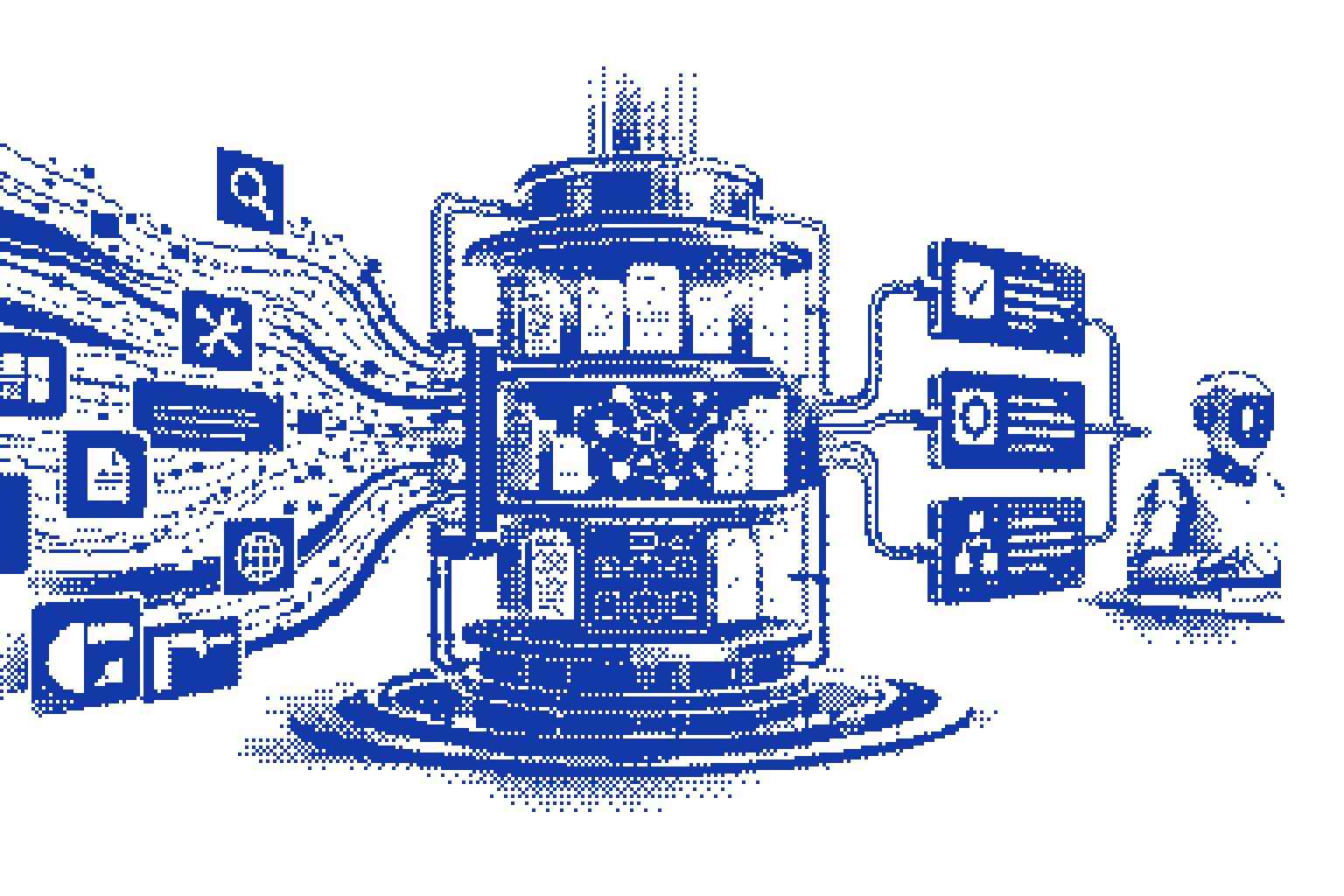
Google Research and Virginia Tech published WikiSkill on Aug. 27, showing a three-layer system that stores execution traces, distills them into structured notes, and packages validated procedures into reusable modules called Agent Skills. The key constraint is a validation gate: a proposed skill only sticks if it improves performance on a separate set of test tasks. Gemini 3.5 Flash averaged 49.5% across five benchmarks without WikiSkill and 68.1% with it. On the LiveMath benchmark, the same model jumped from 33.0% to 72.6%.
The finding that smaller models can produce skills that improve larger ones is the detail most teams will overlook. Qwen-3.5-4B skills pushed Gemma-4-31B to 73.1% on LiveMath. That breaks the assumption that better source models always produce better transferable knowledge. For teams running agents in production, WikiSkill's practical value is that execution traces you already generate could become reusable procedural knowledge without retraining or expanding context windows. The validation gate is the design decision worth borrowing even before the full framework ships in a product.
Created by the robots at The SaaS Sentinel