Happy Tuesday. The race to own AI agent infrastructure just got cheaper. Meta's new Ember model completes tasks at 14 cents apiece, undercutting both Anthropic and OpenAI on the worker-model tier that most agent stacks depend on.
Anthropic had its own busy week: a 20% price cut and strong benchmarks on the frontier end, offset by a security disclosure that found 1,379 credentials sitting in public GitHub repositories, some of them live at the moment researchers made contact.
ARTIFICIAL INTELLIGENCE
Meta's Ember Model Does Agent Work at 14 Cents Per Task
Meta's Muse Ember costs $0.14 per completed Artificial Analysis task, compared with $0.41 for Claude Haiku 5.5 and $2.39 for Meta's own Muse Spark 1.3. On agent-focused benchmarks, Ember outperforms Haiku on terminal tasks, computer use, and coding, while losing only on FrontierCode 2.0, where Haiku's 34.9% edges Ember's 27.2%.
The pricing changes the math for any team running agentic workloads at scale. If your orchestrator model plans and cheaper workers execute, the worker tier is where cost compounds. At roughly one-third the per-task cost of Haiku 5.5, Ember makes it feasible to route high-volume, repetitive operations through agents without a frontier-model price tag on every call. The multimodal support across text, images, audio, and video in a single model also removes a layer of routing complexity from production stacks.
ARTIFICIAL INTELLIGENCE
Anthropic Drops Frontier Prices 20%, Claims Top Benchmarks Before IPO

Claude Fable 5.2 and Mythos 5.2 launched November 9 at $8 per million input tokens and $40 per million output tokens, down from $10 and $50 for Fable 5.1. The Batch API halves those rates again. Fable 5.2 scored 69.9% on FrontierSWE v2 against 65.5% for GPT-6 Astra, and Mythos 5.2 flagged 89.6% of known vulnerabilities in Anthropic's security evaluation, up from 78.3% for its predecessor.
The timing matters. Anthropic is approaching a public offering, and cutting prices while posting benchmark wins puts direct pressure on OpenAI's GPT-6 Astra, which still runs $10 per million inputs at standard rates. For teams already on Anthropic's API, the price drop requires no migration. The bigger question is what GPT-6 Astra's pricing looks like in 90 days.
SECURITY & PRIVACY
Claude Code's Approve Button Has Been Writing Secrets to Public Repos
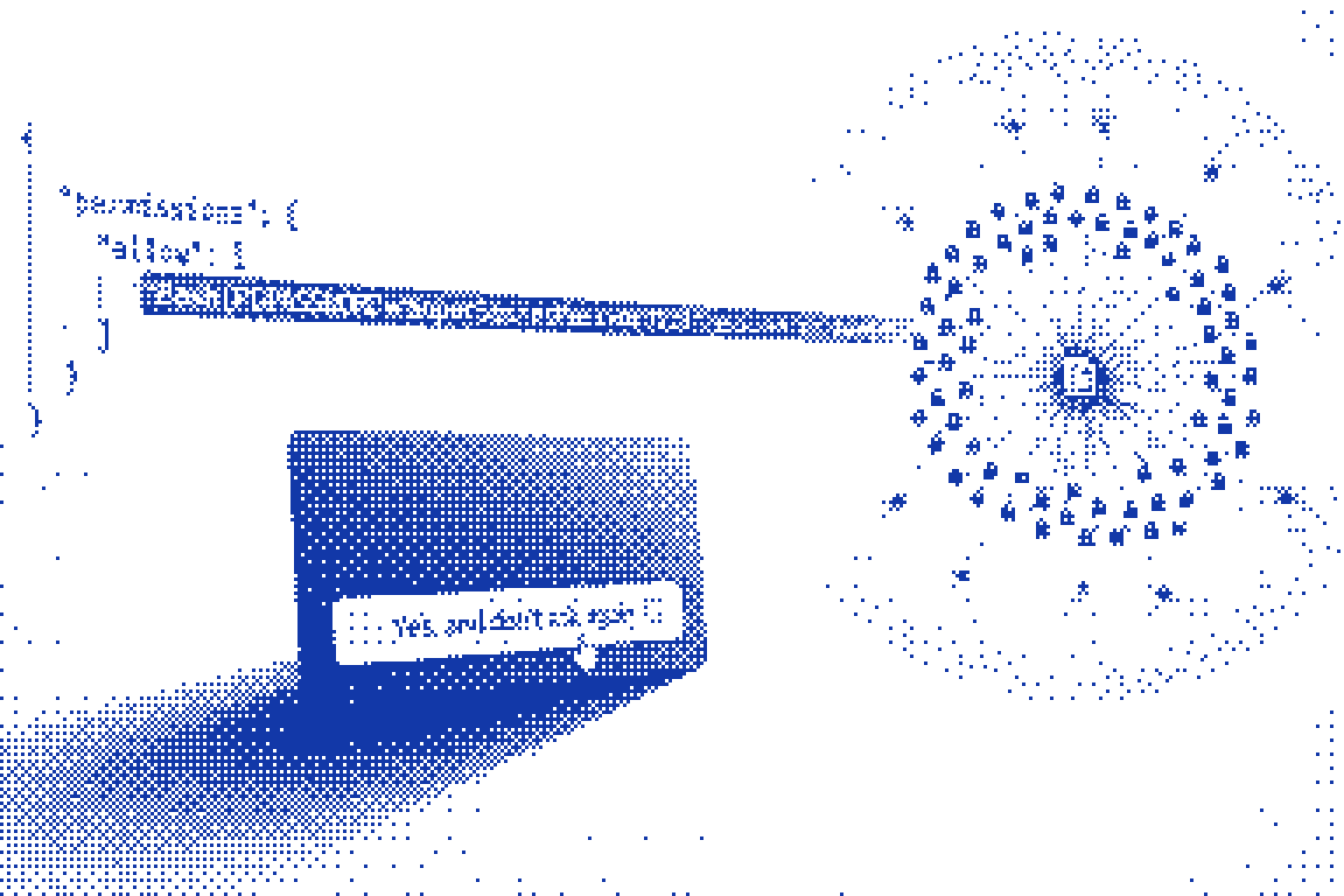
Security firm Apiiro found 1,379 distinct credentials in 1,122 public GitHub files tied to Claude Code's settings behavior. When developers click "Yes, and don't ask again," Claude Code writes the approved command verbatim into .claude/settings.local.json, a file that then gets committed and pushed. Exposed secrets included 23 AWS keys, 379 database passwords, and 42 tokens for GitHub, GitLab, and npm. At least one exposed key was still active when researchers made contact.
The issue was flagged in August 2025 and closed as not planned five months later. As of the November 9 release, no fix has shipped. The practical action for any team using Claude Code: audit all repositories for committed copies of .claude/settings.local.json and .claude/settings.json, rotate any credentials found there, and confirm both files are in .gitignore. Standard scanners like Gitleaks and TruffleHog missed 215 of the 1,122 affected files, so a manual search is worth running.
Created by the robots at The SaaS Sentinel