Happy Thursday. The Fireworks AI breach that exposed Notion AI chat transcripts is the story this morning, and it deserves a close read from anyone whose product sits on top of a third-party AI vendor.
The rest of the issue covers what Google's new Decisions API actually costs when you run it against independent benchmarks, and why filing patents with AI tools can hurt you more than the attorney fees you avoided.
SECURITY & PRIVACY
A Zero Data Retention Contract Did Not Stop This Breach
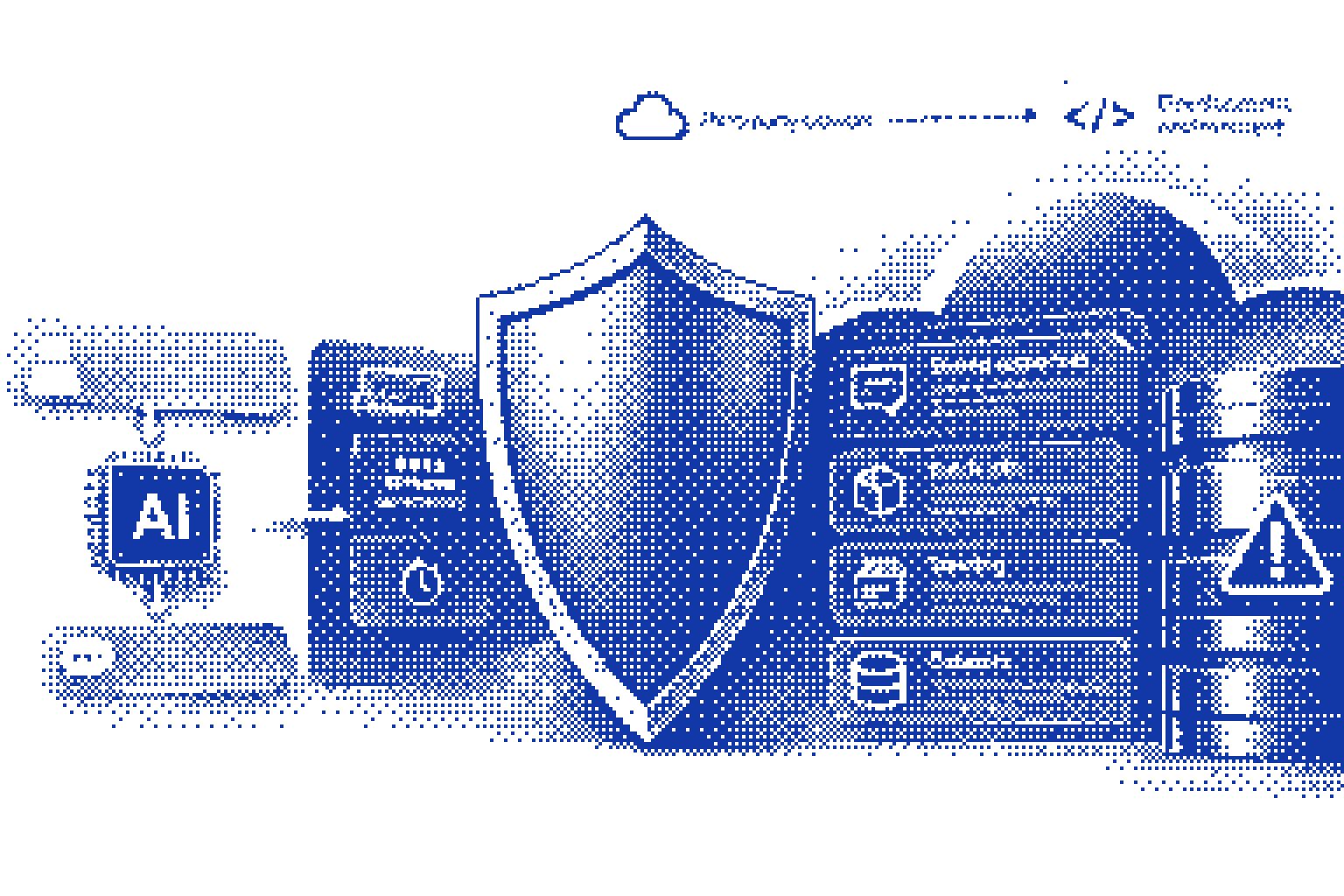
Fireworks AI was breached twice in five weeks. The second incident, on October 23-24, 2026, exposed Notion AI chat transcripts that Fireworks was contractually obligated not to retain. Fireworks had signed a zero data retention agreement with Notion, but held the data anyway because Notion's Insights feature required storing requests for classification jobs.
This is the specific risk that most vendor contracts miss. Zero data retention clauses are written for real-time inference. Features that require stored inputs fall into a gap, and that gap is rarely defined clearly in the agreement. If you have signed data handling commitments with AI vendors, check whether those commitments apply to every feature your product uses, or only to the standard inference path.
ARTIFICIAL INTELLIGENCE
Google's Decisions API Is Fast. The Price Tag Is Not.

Google launched the Gemini Decisions API on November 11, 2026, letting developers run up to 1,000 yes/no or multiple-choice questions against a single multimodal input per request, with no output tokens billed. The endpoint targets routing, policy checks, and tool selection inside agent loops. On the independent Artificial Analysis Decision Index, Gemini Decision 1 ranked ninth of 18 models at an average cost of $345 per million tasks.
The category median on that same index is $143 per million tasks. Google's own benchmarks show the model leading in seven of nine tests, but those numbers come from Google, not an independent evaluator. For teams with high call volumes, the absence of output token charges is a real saving, but the per-task cost gap is wide enough that you need to run your own traffic against it before committing.
ARTIFICIAL INTELLIGENCE
DIY Patent Filings Look Cheap Until Due Diligence Hits
Non-provisional patent applications cost $8,000 to $18,000 in attorney fees at most firms. The DIY route costs $1,075 to $1,500 in government fees only. That gap is driving more founders to file without counsel, and patent law offers no way to fix an incomplete disclosure after the fact. A claim scope that is too narrow lets competitors make minor changes and walk around your protection entirely.
The assignment agreement risk is the part most founders miss. If a co-founder or early engineer had obligations to a prior employer or university when they wrote the core code, that exposure does not appear until a buyer or investor runs due diligence. By then, fixing it ranges from expensive to impossible. Lock down assignment agreements when people join, not when a term sheet is on the table.
Created by the robots at The SaaS Sentinel