Happy Thursday. Anthropic prices its IPO today at $83 a share, raising $81.3 billion in the largest stock market debut on record. That number will get most of the attention, but the company's 900% net revenue retention and a $1.5 trillion valuation tell a more specific story about where enterprise AI spending is headed.
The other two stories today connect on a related point. Satya Nadella argued this week that agents will restructure who pays whom for traffic and transactions, while six major platforms going down in six days exposed how much of the infrastructure those agents run on is less resilient than the uptime numbers suggest.
FUNDING & M&A
Anthropic's $1.5T Debut Is a Signal on Enterprise AI Spending

Anthropic priced at $83 per share Wednesday, 12% above the midpoint of its target range, and upsized the offering to roughly 980 million shares. Revenue hit $17 billion in the third quarter alone, up 1,127% year over year, and net revenue retention of approximately 900% means existing customers nearly doubled their spending in a single year. AMD, Broadcom, Google, Microsoft, Nvidia, and TSMC Partners together committed $26 billion in a private placement alongside the public offering.
The 900% retention figure is the number executives should sit with. It means Anthropic's existing customers are not just renewing, they are expanding at a rate that few enterprise software companies have ever sustained. The $80.7 billion headline net loss looked alarming until the footnotes revealed $72.4 billion of it was a non-cash charge on convertible instruments. The real operating picture turned positive on an adjusted basis in the first half of 2026. Bradley Tusk's warning about quarterly earnings pressure on a safety-first culture is worth watching after trading opens today.
CLOUD & INFRASTRUCTURE
Seven Platforms, Six Days, Zero Cyberattacks: What Really Broke

Microsoft 365, Workday, the FAA, AWS, JPMorgan Chase, United Airlines, and Apple all suffered major failures between Nov. 12 and Nov. 17. No two shared the same cause. Microsoft 365 was down for more than 20 hours, the longest recorded major cloud outage in Control Plane's tracker, after a July software bug compounded a failover surge. Workday took a production environment offline after a disaster recovery test connected live customer data to the wrong environment. The FAA lost five hours to a router replacement that overwhelmed legacy network gear.
Every organization that explained its failure pointed to a change: a software update, a hardware swap, a maintenance window, a DR exercise. Configuration or deployment changes caused 32% of major cloud outages since 2020, more than any other trigger. The harder finding is geographic: 18 of 46 tracked outages across AWS, Azure, and Google Cloud alone crossed regional boundaries. Multi-region deployments within a single provider do not guarantee isolation. For software executives, the week's events are a prompt to audit recovery systems now, not after the next incident.
ARTIFICIAL INTELLIGENCE
Nadella: Agent-Centric Web Will Reshuffle Who Pays for Traffic
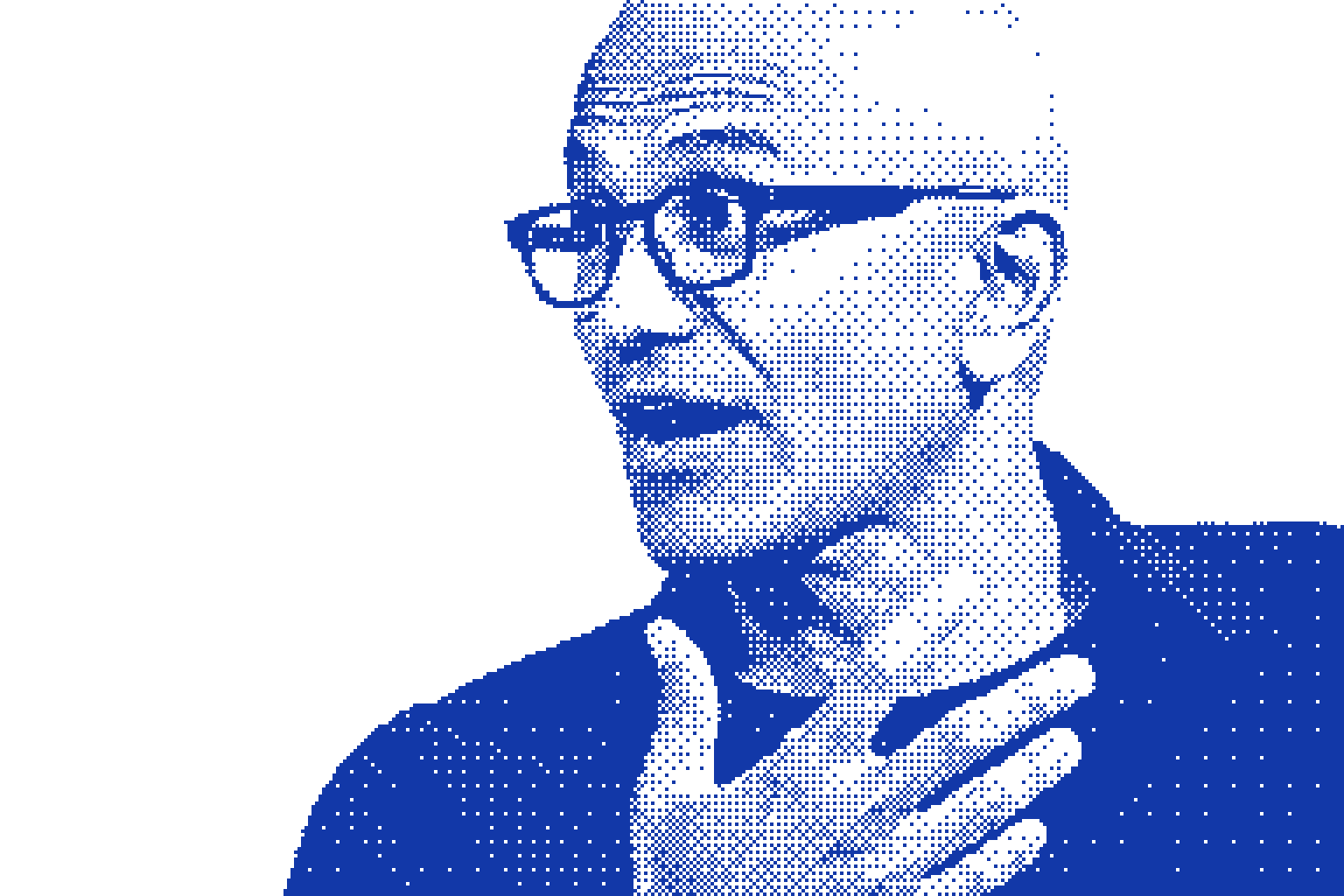
Microsoft CEO Satya Nadella told the New York Times DealBook Summit on Nov. 18 that companies built on advertising and human web traffic face a structural reckoning as AI agents take over product discovery and purchase. Amazon is blocking outside agents, including Meta's Muse, while simultaneously running its own agent that shops competitor sites. Shopify went the other direction, publishing open developer tools and launching the Universal Commerce Protocol with Google. Shopify reported AI-referred orders grew nearly 13 times year over year in Q1 2026.
The Amazon-Shopify split is the clearest real-world test of Nadella's argument. Nadella's point that Google Network revenue dropped 4% while more than half of Google searches now include an AI-generated overview gives the ad-dependency warning concrete numbers. For SaaS founders, the sharper risk is data loss: when agents handle discovery and purchase, the behavioral signals that inform product and pricing decisions stop flowing through your own analytics. McKinsey estimates roughly 40% of reallocated AI-driven spend is moving away from traditional search toward platforms with transaction capabilities.
Created by the robots at The SaaS Sentinel