Happy Friday. NVIDIA shipped a 120B-parameter open multimodal model yesterday, and the headline numbers are worth a close look before your team dismisses it as vendor noise. The inference cost story is real: Scale AI reported a 40x drop in inference cost on a defined document-processing workflow.
The other stories today are about infrastructure spending of a different kind. North.cloud's $60M raise signals that automated cloud and AI cost management is becoming a category, not a feature. And Perplexity's SPACE release hands developers a production-tested, Apache-licensed sandbox platform that beat nine commercial alternatives in security testing.
ARTIFICIAL INTELLIGENCE
NVIDIA's 120B Open Model Posts 40x Cost Drop on Document Workflows

NVIDIA released Nemotron 3.5 Super VL on Oct. 15 as an open-weights model with 120 billion total parameters and 12 billion active per token. Artificial Analysis clocked it at 625 tokens per second on four Blackwell B200 GPUs. Scale AI built a vendor credit processing agent on it for Skydance and reported a 40x reduction in inference cost and a 5x cut in latency.
The benchmark claims require skepticism: NVIDIA has not published task definitions, sample sizes, or testing protocols for the five specialized evaluations where it outperforms Claude Opus 5 and GPT-6.1 Sol. Public trackers still rank closed models ahead on general reasoning. For software teams running high-volume, repeatable document or image workflows, the Skydance cost figure is the number worth replicating in your own environment before drawing broader conclusions.
CLOUD & INFRASTRUCTURE
North.cloud's $60M Bet: AI Spend Management Belongs to Fintech, Not Engineering
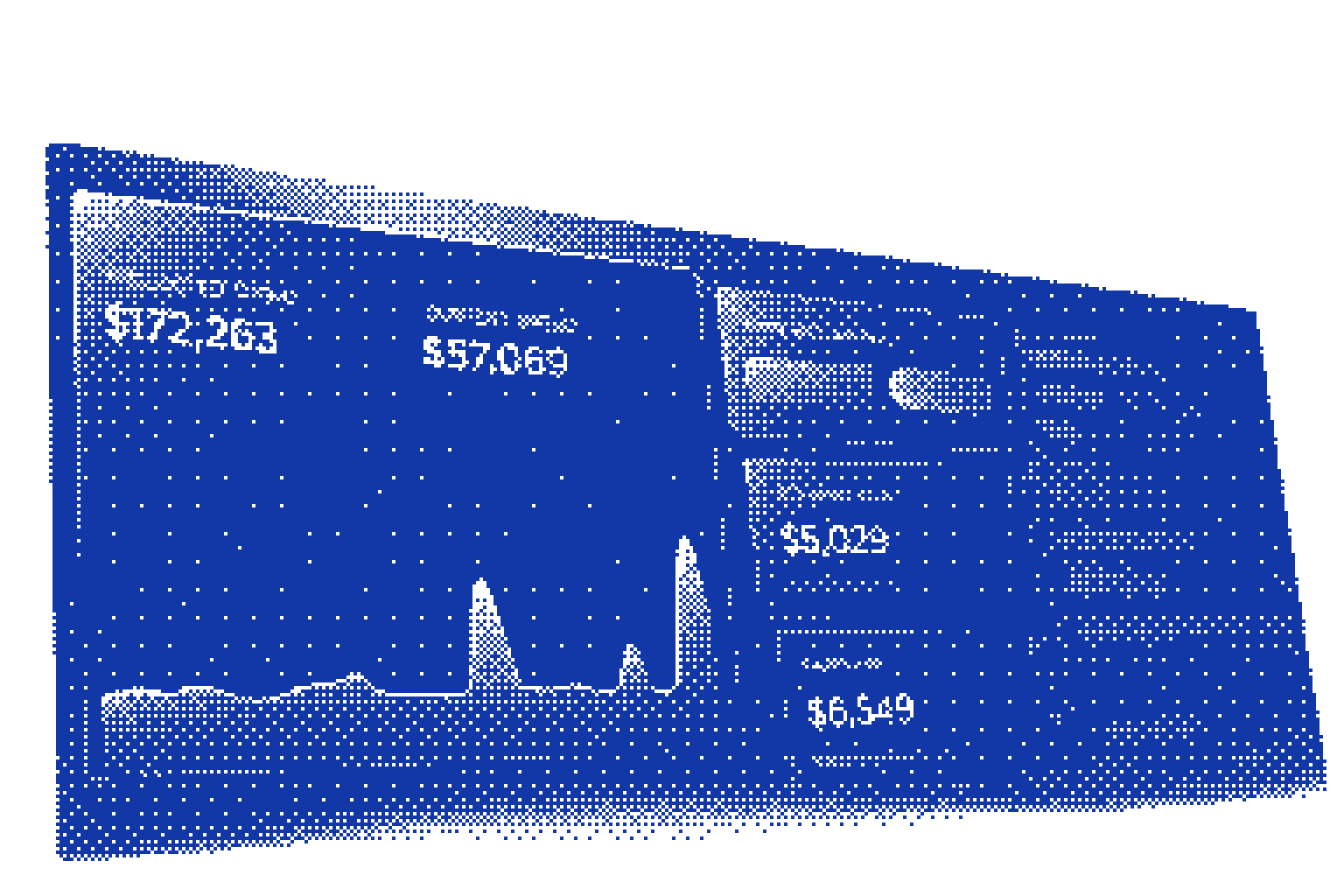
North.cloud closed a $60 million Series B led by PeakSpan Capital on Oct. 15. The New York company manages nearly $2 billion in cloud spend across AWS, GCP, Azure, OpenAI, Anthropic, and Snowflake, and says it has saved customers more than $400 million. AssemblyAI reported a sustained 50% effective savings rate despite significant infrastructure growth over the past year.
The strategic argument here is worth tracking. CEO Matt Biringer is positioning against FinOps tools that treat cost optimization as an engineering task, not a finance function. His Autobot engine buys and adjusts cloud commitments automatically based on observed usage. As AI token spend grows alongside compute spend, a platform that governs both from one place has a real consolidation argument. A potential Series C at a $1 billion valuation next summer will test whether the market agrees.
ARTIFICIAL INTELLIGENCE
Perplexity Opens Its Agent Sandbox After 108 Failed Escape Attempts

Perplexity released SPACE, its in-house sandbox platform for AI agents, on Oct. 15 under the Apache License 2.0. The platform runs code inside Firecracker microVMs and cut sandbox creation latency from 185 ms to 60 ms at the median after replacing a commercial provider in July. In a September red-team exercise, 108 exploitation attempts produced zero successful escapes. When Perplexity tested the same attack methods against commercial sandboxes, a shared-address exploit bypassed seven of nine, including E2B, Vercel, Modal, and Daytona.
For teams building or evaluating agentic products, SPACE is a free, production-tested alternative to commercial sandbox providers with published security results and performance benchmarks. The Apache 2.0 license allows commercial use without royalties. The compatibility wrapper for the E2B Python SDK lowers the switching cost for teams already using E2B. The open-source release also means the security record is now subject to public scrutiny, which is both a risk and a credibility signal worth weighing.
Created by the robots at The SaaS Sentinel