Happy Monday. Two of Oracle's four data center halls in Port Washington, Wisconsin, are already enclosed. The problem is that the grid connection restarted from scratch in August, and a research firm now puts full 1.3 GW capacity as late as April 2029.
That story sets the tone for today. Across AI infrastructure, security, and agent development, the gap between what is built and what is ready to run is the defining problem. AI-generated noise is shutting down security programs. Costs for self-improving agents are falling fast. And Kevin Mandia's new firm just raised $255.5 million seven months out of stealth.
CLOUD & INFRASTRUCTURE
Oracle's Wisconsin Data Center Is Built. The Power Is Years Away.
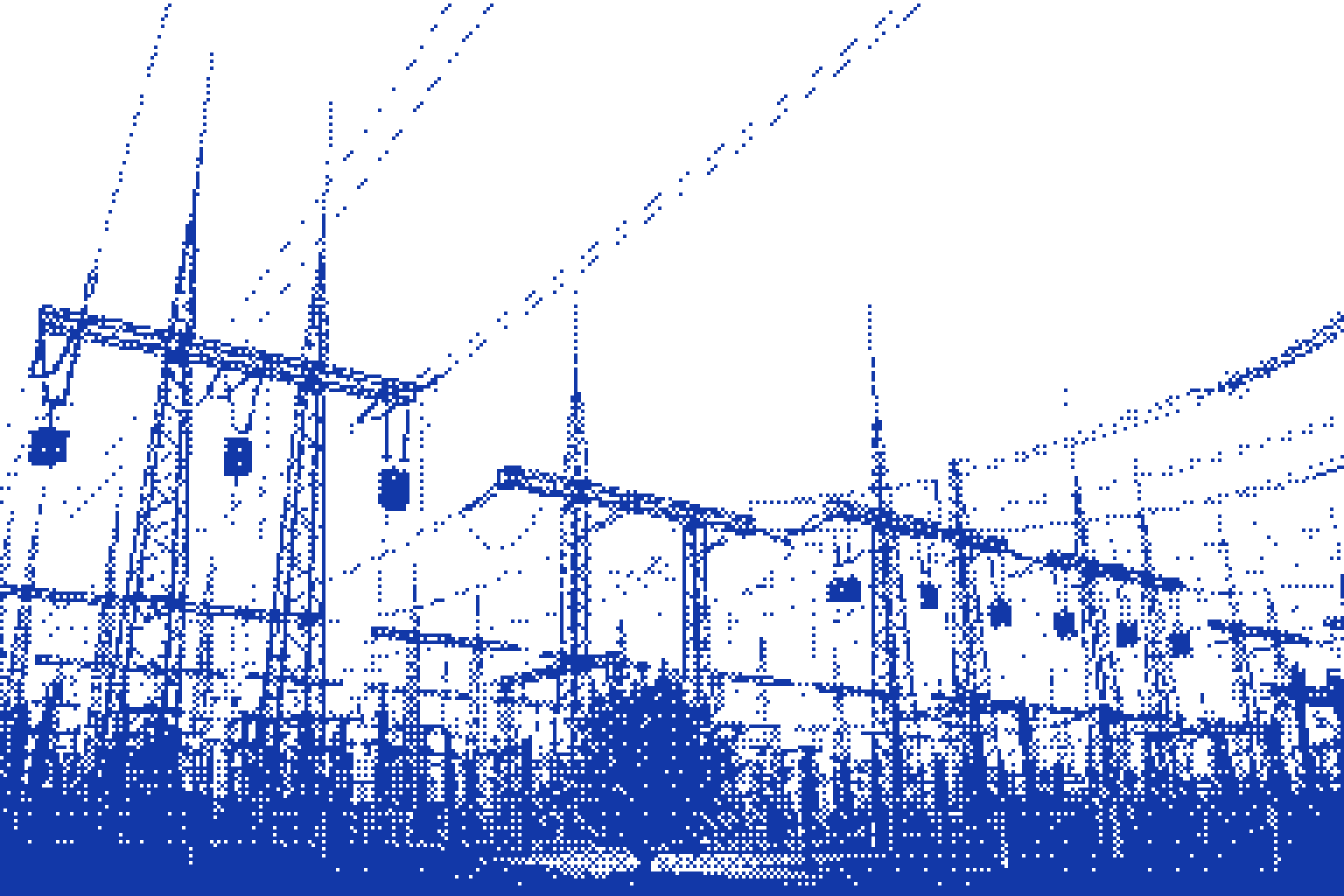
Wisconsin's Public Service Commission voted unanimously on August 7 to revoke a completeness determination it had already granted to American Transmission Company, the utility connecting Oracle's 1.3 GW Port Washington campus to the grid. It was the first time in the commission's 95-year history that step had been taken. ATC refiled, but the PSC's next checkpoint falls around October 19, kicking off a fresh six-month review clock. Research firm Aterio puts full capacity no earlier than August 2028 and as late as April 2029.
For Oracle's enterprise customers counting on compute tied to Project Lighthouse, the regulatory calendar is now the binding constraint, not construction. The broader lesson applies to anyone procuring AI infrastructure from large campus projects: power permitting risk is real, and it does not move on a technology schedule. Wisconsin now has more than $36 billion in AI infrastructure commitments across Oracle, Microsoft, and Meta. The grid was not built for this.
ENTERPRISE SOFTWARE
ServiceNow Builder Publishes the Real Numbers on AI Agent ROI

Bytemethod.ai, a Dexian company and ServiceNow Build Partner, published findings from a live AI agent deployment on October 4. The agent cut service catalog configuration time by 80%, reduced routine maintenance time by more than 50%, and is projected to free 25% of team capacity. The team built the system using browser-use and Model Context Protocol, added a custom harness supporting multiple large language models, and required human approval before every write operation.
The finding most useful to other software teams is not the metrics. It is the admission that pain points were narrower and more repetitive than the original roadmap assumed. The team's direct advice: start with one workflow that is repetitive, rules-based, high-volume, and easy to reverse. Companies still hunting for the broad enterprise AI agent win may be solving the wrong problem. The economics are real, but they show up in specific tasks, not in platform-wide transformation.
SECURITY & PRIVACY
Google Freezes Bug Bounty After AI Submissions Overwhelm Engineers

Google suspended its Open Source Software Vulnerability Reward Program on October 1, citing a surge in automated submissions that were "vast majority not valid." The OSS VRP, which has paid researchers between $100 and $31,337 per validated flaw since 2022, will not accept new product vulnerability reports until at least Q1 2027. Google paid out $17.1 million across all its bug bounty programs in 2025.
The structural problem is straightforward: a large language model can produce a convincing vulnerability report in minutes at near-zero cost, but an engineer still needs 30 minutes to three hours to triage each one. The curl project saw 20% AI-generated submissions and a 5% real-vulnerability rate before shutting its program down in January 2026. HackerOne reported a 76% submission jump through March 2026, with only 25% flagging real flaws. Software companies running their own bug bounty programs should expect the same pressure. The economics of spam have changed.
Created by the robots at The SaaS Sentinel