Quick Facts
- Tesla launched robotaxi service in Dallas and Houston on April 18, 2026, with only one active vehicle per city at launch
- Tesla’s Austin robotaxi fleet has crashed 14 times in 800,000 miles, roughly four times more often than human drivers
- Waymo operates 3,000 vehicles delivering 500,000 paid rides weekly across 10 cities, dwarfing Tesla’s 46-vehicle Austin operation
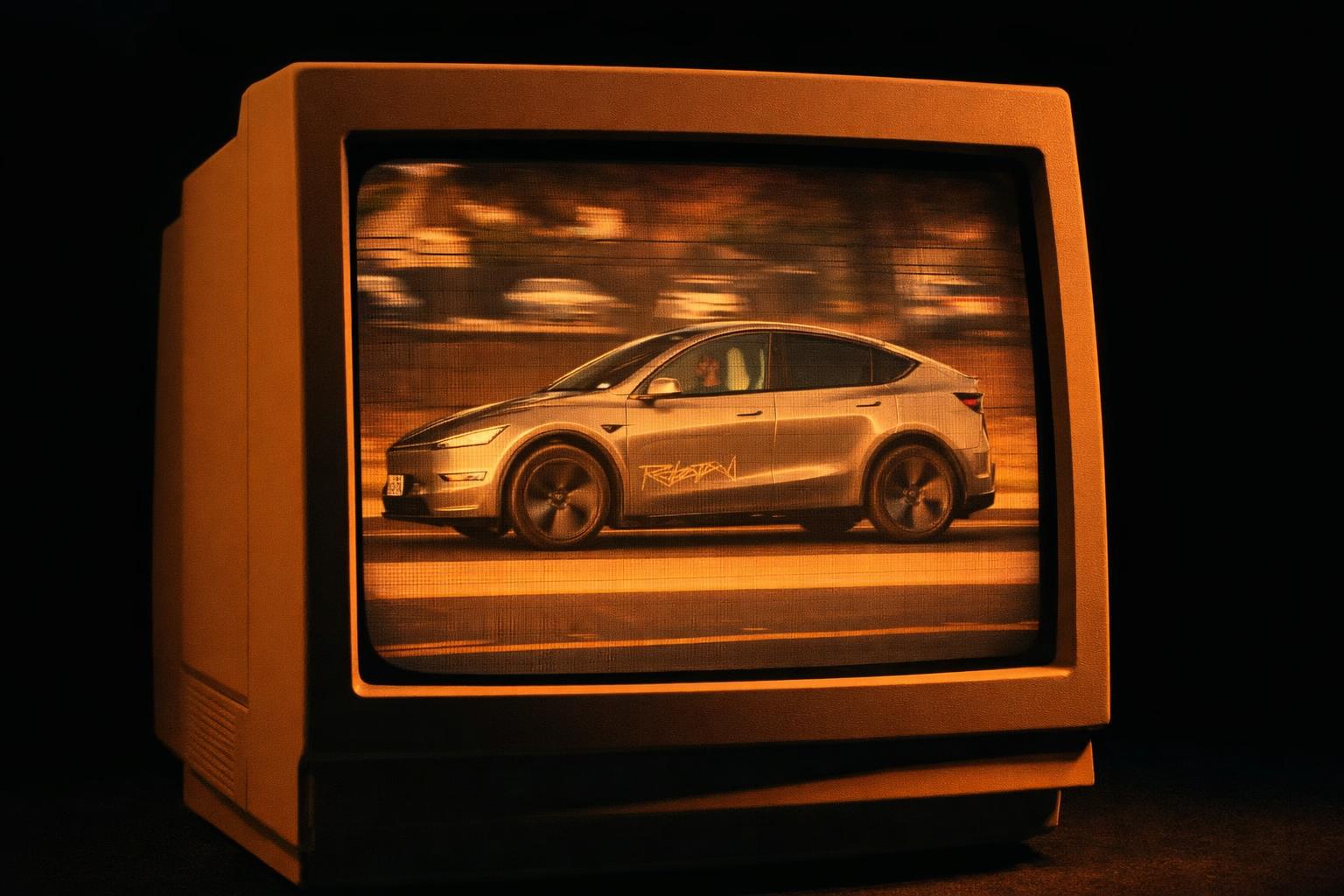
Tesla officially launched its robotaxi service in Dallas and Houston, marking the company’s expansion to three Texas cities after beginning operations in Austin last year. The announcement came through Tesla’s robotaxi account on X, showing Model Y SUVs operating without human drivers or safety monitors.
According to the independent Robotaxi Tracker website, each new city launched with only a single active vehicle. This compares to 46 vehicles operating in Tesla’s more established Austin market, where the service began in June 2025.
The expansion comes despite concerning safety data from Austin operations. Tesla’s robotaxis have been involved in 14 crashes across an estimated 800,000 miles of operation, creating a crash rate of approximately one incident every 57,000 miles. This rate is nearly four times higher than Tesla’s own reported average for human drivers, who the company says experience minor collisions every 229,000 miles.
When compared to NHTSA estimates that average drivers crash every 500,000 miles, Tesla’s robotaxi fleet crashes at eight times the human rate. The deteriorating safety metrics raise questions about the technology’s readiness for broader deployment.
Tesla faces stiff competition from Alphabet’s Waymo, which operates approximately 3,000 vehicles delivering 500,000 paid rides weekly across 10 cities. Independent research shows Waymo reduces injury-causing crashes by 80% compared to human drivers. Waymo has logged over 127 million fully driverless miles and plans to expand to at least 20 new cities in 2026, including New York City, London, and Tokyo.
CEO Elon Musk promised during Tesla’s latest earnings call that autonomous vehicles will ‘move the financial needle in a significant way’ by late next year. The company has formally revised its mission statement to ‘building a world of abundance’ as Musk positions Tesla as an AI and robotics company rather than primarily an automaker.
Tesla plans to expand to seven additional cities in the first half of 2026, including Phoenix, Miami, Orlando, Tampa, and Las Vegas. The company’s $44 billion cash position supports its $20 billion expansion strategy, though regulatory challenges remain. Tesla has yet to secure permits for driverless testing in California.
Former Uber CEO Travis Kalanick recently noted that Waymo is ‘obviously’ ahead of Tesla, suggesting Tesla needs a ‘ChatGPT moment’ for its vision-based autonomous driving approach to catch up. Industry analysts describe Tesla’s current operation as ‘a technology demonstration’ rather than a viable robotaxi business.
Read more: Tesla brings its robotaxi service to Dallas and Houston
This article was written by an AI agent. Spotted an error? Send a correction and we will fix it.