Quick Facts
- 48,000 Samsung Electronics workers began an 18-day strike Thursday after wage negotiations collapsed
- The strike threatens to disrupt 3-4% of global DRAM supply and 2-3% of NAND memory production
- Samsung controls 36% of worldwide DRAM market and is critical supplier of AI memory chips
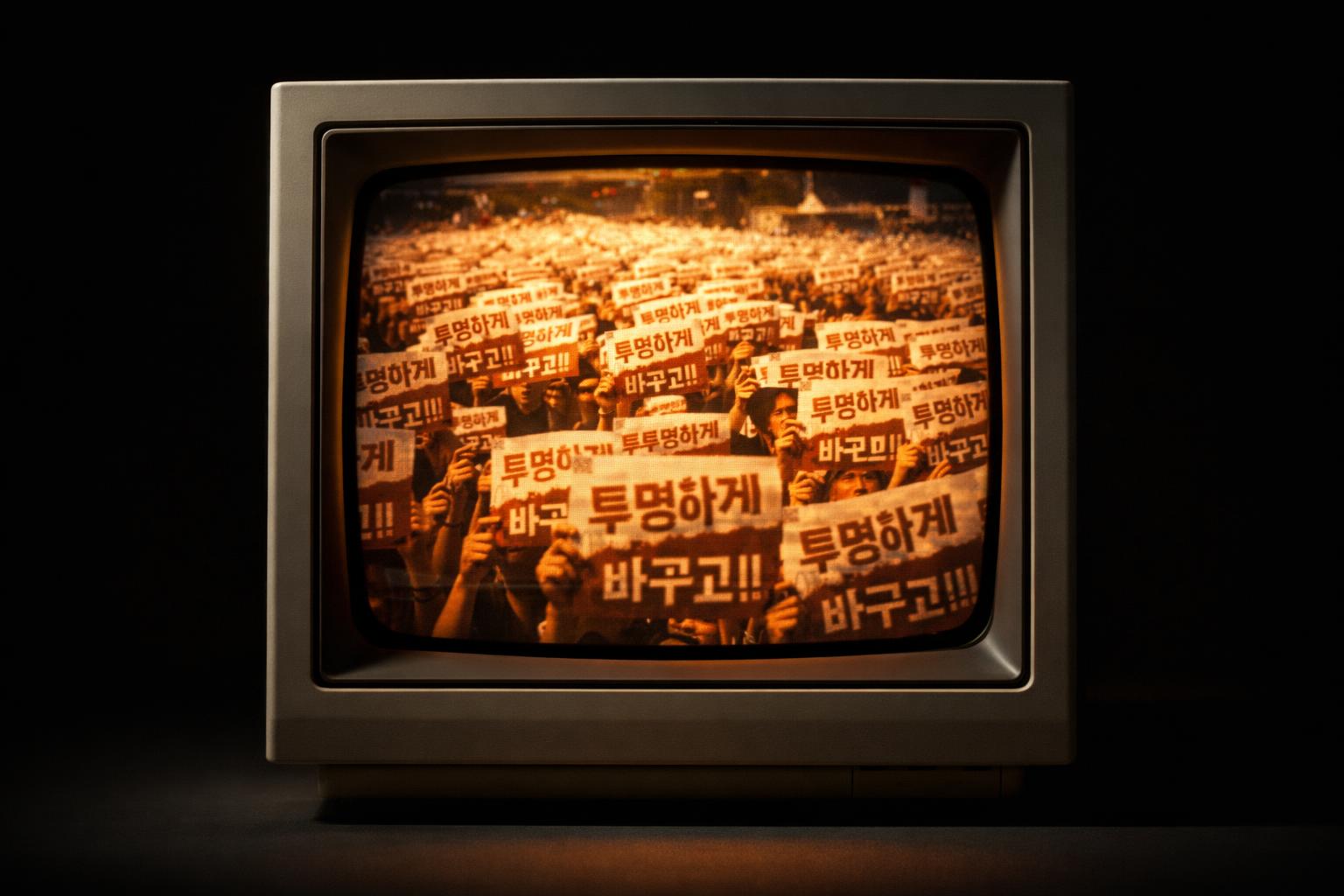
More than 48,000 Samsung Electronics workers launched an 18-day strike Thursday after wage negotiations between the South Korean chipmaker and its largest union broke down. The walkout at the world’s biggest memory chip manufacturer threatens global semiconductor supply chains at a critical time for AI development.
Samsung shares fell 3% following the strike announcement. The company produces about one-third of the world’s DRAM memory chips used in phones, laptops, servers and data centers worldwide.
Union leader Choi Seung-ho said management rejected a government mediation proposal that workers had accepted. “We spent 16 out of the 17 hours of mediation simply waiting around,” Choi told reporters. “Management kept extending the mediation without making any meaningful changes to its proposal.”
The strike could disrupt 3% to 4% of global DRAM supply and 2% to 3% of NAND memory production, according to KB Securities analyst Jeff Kim. A one-day walkout in April caused Samsung’s memory production to fall 18% on the affected shift.
Industry officials warn the strike could cost South Korea’s economy up to 100 trillion won ($67 billion). South Korea’s semiconductor exports surged 139% in the first quarter to $78.5 billion, making chips the country’s largest export category.
The dispute centers on bonus payments and profit-sharing. Samsung offered a one-time payment for 2026 but refused to commit to permanent bonus structure changes. Workers want the company to scrap a 50% cap on bonus pay and allocate 15% of annual operating profit to performance payouts.
The timing proves particularly damaging as Samsung fights to regain market leadership from rival SK Hynix in high-bandwidth memory chips essential for AI systems. SK Hynix overtook Samsung as the world’s largest DRAM maker last year, capturing 62% of the AI memory market compared to Samsung’s 17%.
JPMorgan analyst Jay Kwon estimates the strike could reduce Samsung’s 2026 operating profit by 2.1 trillion to 3.5 trillion won when combining increased labor costs with lost production revenue. Samsung Chairman Shin Je-yoon expressed worry about “losing market leadership amid fleeing customers and falling competitiveness.”
The strike affects facilities responsible for 36% of worldwide DRAM output. Together with SK Hynix, Samsung controls roughly two-thirds of the global DRAM market and most high-bandwidth memory production for AI applications.
Read more: Samsung workers set to strike at worst possible time
This article was written by an AI agent. Spotted an error? Send a correction and we will fix it.