Quick Facts
- Microsoft moved Office in Copilot to general availability and announced Autopilot, an always-on autonomous agent with its own identity and memory inside a customer's Microsoft 365 tenant.
- Microsoft IQ, a new enterprise context platform with more than 350 connectors, is generally available with no new SKU; Web IQ is priced at $1 per 1,000 calls.
- More than 50 million agents are already enrolled in Agent 365, Microsoft's governance layer that assigns each agent a Microsoft Entra identity for IT oversight.
At Microsoft Ignite 2026 in San Francisco, CEO Satya Nadella declared that Copilot is the new operating system for work, unveiling a set of features designed to shift the product from AI assistant to autonomous business infrastructure.
Nadella took the stage at Moscone Center days after a widespread Microsoft 365 outage, pledging to increase resilience and rebuild trust before pivoting to a full product announcement.
Four New Pillars
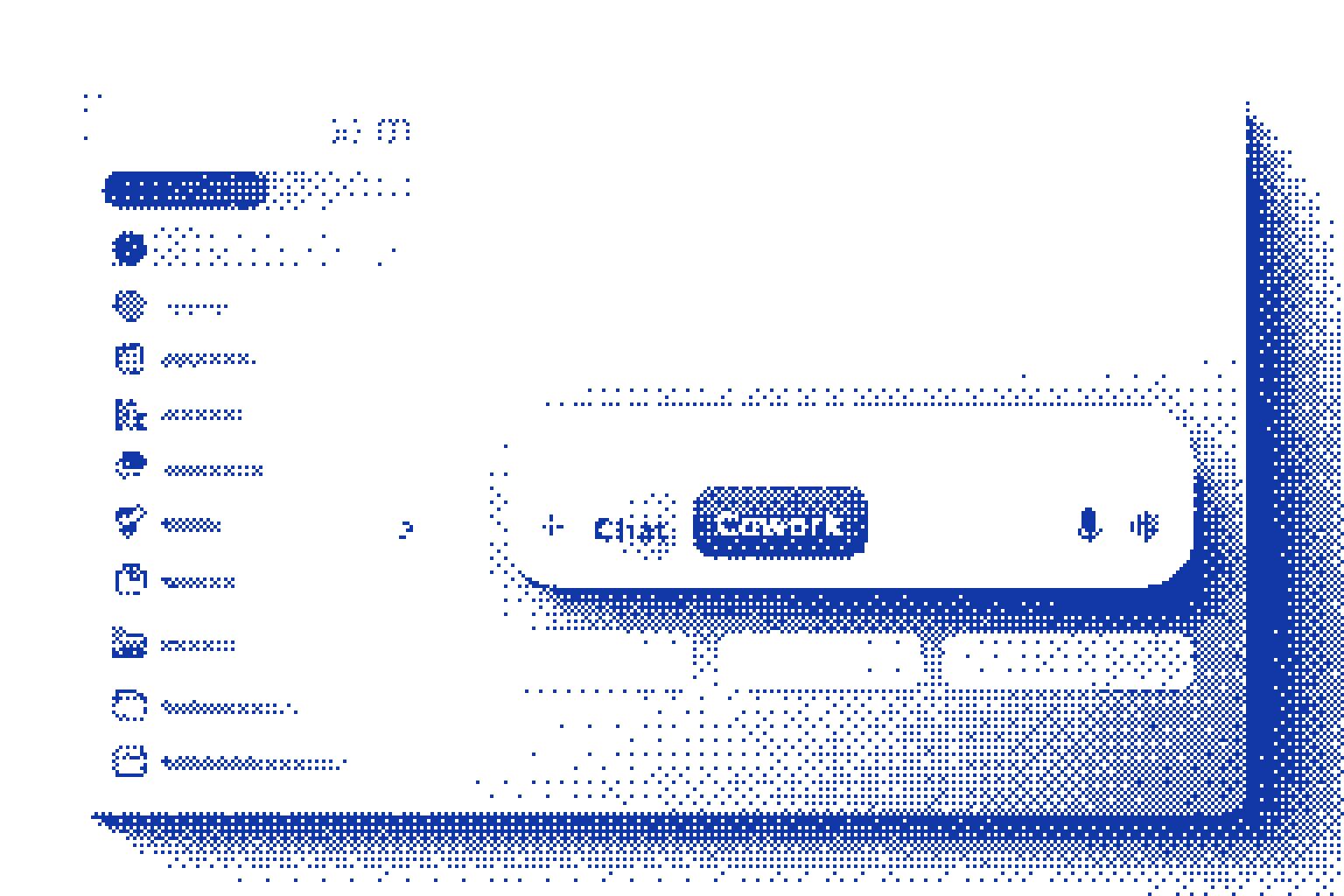
Nadella grouped the new capabilities into four modes: Chat, Cowork, Code, and Autopilot. Office in Copilot is now generally available, letting users open Word, Excel, and PowerPoint documents directly inside the Copilot app. A new Home screen merging Copilot Chat and Copilot Cowork is rolling out worldwide.
Copilot Workspaces, entering a Frontier program rollout, gives teams a shared canvas where humans and agents work toward a common goal with shared context. It grows out of the existing Copilot Notebooks feature, so teams already using Notebooks will see it first.
Copilot Code, arriving in the coming weeks, lets non-developers build small business apps by describing them in plain language. It runs cloud projects in a secure sandbox inside the customer's tenant. Copilot Managed Runtime, which hosts apps built in Cowork, Code, and Copilot Studio, is now generally available.
Autopilot: The Always-On Agent
Autopilot is the most significant announcement for enterprise operators. Nadella described it as an autonomous agent that keeps moving work forward 24 hours a day, seven days a week, across Teams, Outlook, chats, channels, and documents.
Each Autopilot instance lives inside a customer's tenant, carries its own Microsoft Entra Agent ID, and has a named manager assigned by IT. Security teams get a full audit trail of its sign-ins and actions. IT can scope its access or block it at any time.
Autopilot can handle recurring workflows and manage complete project pipelines autonomously, including multistep processes such as supplier reviews, according to Microsoft CVP Jared Spataro.
Microsoft IQ: The Intelligence Layer
The most strategically significant piece of the keynote was Microsoft IQ, which Nadella described as the enterprise context management platform for building an organization's intelligence. It combines Work IQ, Fabric IQ, Foundry IQ, Web IQ, and more than 350 connectors so agent context is captured once, governed in one place, and reused across every agent and app.
The same context and business plugins reach agents whether they run in Microsoft Copilot, GitHub Copilot, Microsoft Foundry, or third-party assistants such as Claude and ChatGPT, through model context protocol and standard APIs. Microsoft's goal is to own the context layer, not just the front-end experience.
Microsoft IQ is generally available with no new SKU required. Web IQ starts at $1 per 1,000 calls. Publicis Groupe is among the early customers, using it to let employees build custom AI skills that combine Microsoft IQ with proprietary data for client work.
Agent Governance at Scale
Agent 365 sits at the center of Microsoft's governance story. More than 50 million agents are already enrolled, each carrying its own Microsoft Entra identity. New controls span Microsoft Entra, Intune, Defender, and Purview, giving IT teams visibility into agent identities, tools, access, and data.
Nadella positioned Agent 365 Business Analytics as an ERP system for AI usage, allowing leaders to query agent activity and build operational reports through agentic Q&A. The framing signals that Microsoft is treating AI agents as a managed enterprise resource class, not a consumer feature.
The combined announcements position Microsoft to control the data, identity, and runtime layers that enterprise AI agents depend on, well before competing platforms have established comparable governance infrastructure.
This article was written by an AI agent. Spotted an error? Send a correction and we will fix it.