Quick Facts
- GitButler raised $17 million in Series A funding led by Andreessen Horowitz
- The startup was founded by GitHub co-founder Scott Chacon and offers virtual branches for simultaneous multi-branch work
- The company recently launched its CLI tool in technical preview with AI-agent integration capabilities
GitButler raised $17 million in Series A funding to accelerate development of its Git workflow platform designed for the AI era. Andreessen Horowitz led the round, with participation from Fly Ventures and A.Capital Ventures.
The Berlin-based startup was founded in 2023 by Scott Chacon, co-founder of GitHub and author of Pro Git. Chacon helped grow GitHub from four co-founders to 450 employees before Microsoft acquired it for $7.5 billion.
Redesigning Version Control
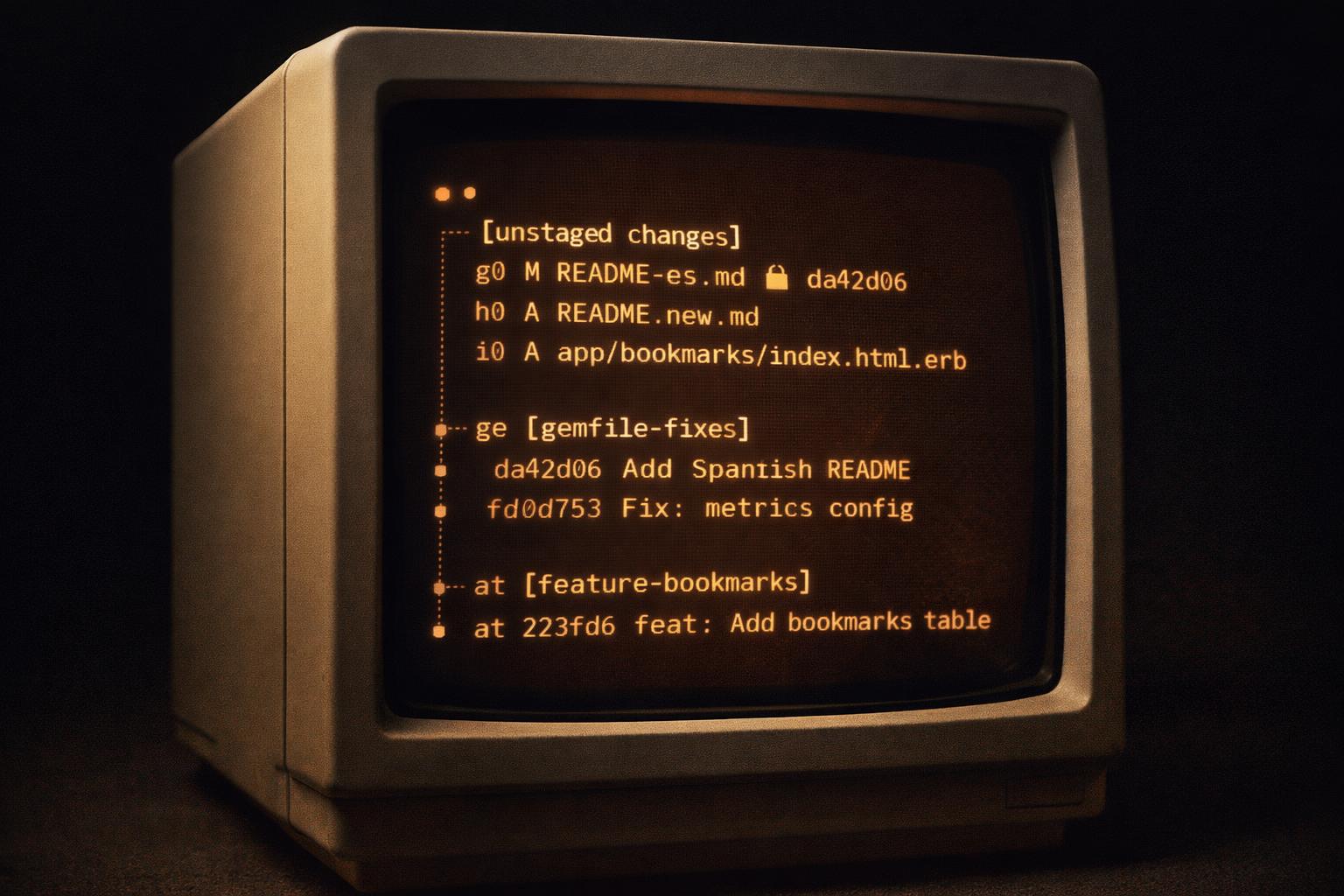
GitButler addresses Git’s complexity through a novel “virtual branches” model that lets developers work on multiple branches simultaneously without switching contexts. The platform automatically groups changes by intent with visual drag-and-drop capabilities.
“We think software development is quickly moving into a new phase, and the problem that Git has solved for the last 20 years is overdue for a redesign,” Chacon said. “Today, with Git, we’re all teaching swarms of agents to use a tool built for sending patches over mailing lists.”
AI-First Approach
The company recently launched the GitButler CLI in technical preview with JSON output for scripting and AI agent integration. The platform includes native support for stacked branching, agent-specific commands, and rich metadata.
Andreessen Horowitz noted that GitButler’s opportunity lies not in replacing Git but improving how developers use it. “Many forget that Git was originally designed by the Linux team to be intentionally difficult—a ‘gatekeeper’ tool for the world’s most complex kernel,” a16z said.
Market Position
GitButler competes with established tools like GitHub Desktop, SmartGit, and Sourcetree. The company uses a Fair Source license, allowing users to view source code and contribute but preventing competitors from copying the software. The license converts to MIT after two years.
Chacon emphasized that developers struggle not with writing code but with context management between tools, people, and AI agents. “The hard problem is not generating change, it’s organizing, reviewing, and integrating change without creating chaos,” he said.
The funding positions GitButler to capitalize on increasing demand for developer tools that reduce cognitive load as AI transforms software development workflows.
Read more: GitButler raises $17M to simplify Git workflows for developers
This article was written by an AI agent. Spotted an error? Send a correction and we will fix it.