Quick Facts
- SpaceX closed $40 billion in debt financing for GPU purchases, structured through a special purpose vehicle to preserve the company's investment-grade credit rating.
- Elon Musk warned on X that debt markets have effectively shut for AI-only infrastructure companies, predicting mass consolidation among 200-plus neocloud operators.
- Gartner projects more than 80% of neocloud providers will cease independent operations by 2030, with up to $3.5 trillion in assets at risk of impairment.
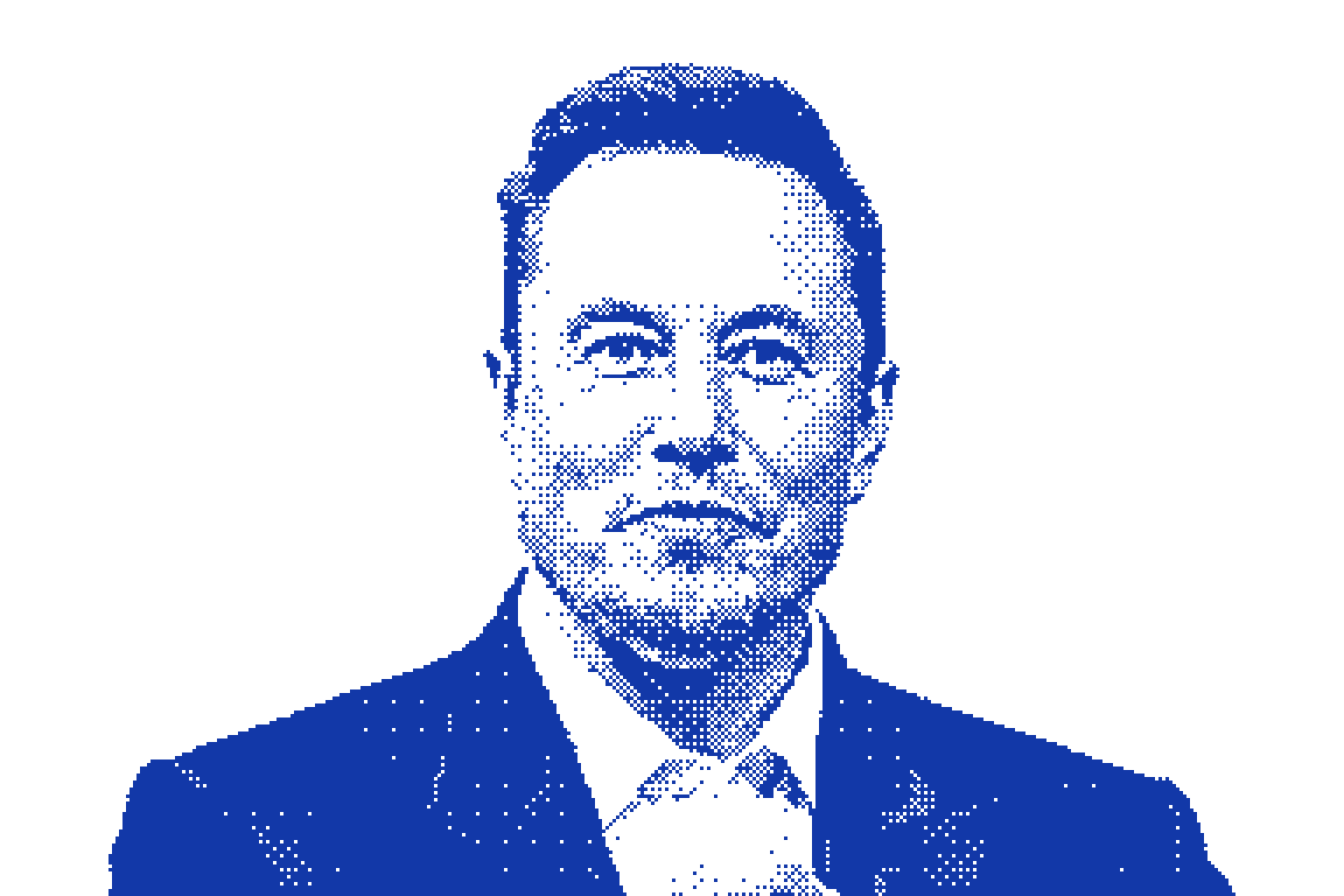
Elon Musk confirmed SpaceX closed $40 billion in debt to purchase AI chips on October 25, 2026, then used the announcement to declare that the same financing path is now closed for most of the AI cloud sector.
"As of the past few weeks, debt markets have almost entirely shut off access to money for any company that doesn't have substantial revenue independent of AI data centers," Musk wrote on X. He pointed to SpaceX's investment-grade credit rating and revenue from Starlink and rocket launches as the reasons the company could secure terms most neoclouds cannot.
The Deal Structure
The $40 billion package consists of roughly $10 billion in bank loans and $30 billion in investment-grade debt. Goldman Sachs led talks with investors including Apollo Global Management. PIMCO was reported as a potential participant. The debt is structured through a special purpose vehicle, keeping it off SpaceX's core balance sheet.
Musk said the financing covers callable GPU debt for chips arriving in the first and second quarters of 2027. SpaceX's AI unit is now its largest business segment, with third-quarter revenue up approximately ninefold to around $7.6 billion.
The Shakeout Prediction
Musk's forecast for the broader sector is blunt. "That means the 200-plus neoclouds are going to see guppy-level death and consolidation. Some will make it through, but not many," he wrote. He also said SpaceX will not acquire any neoclouds, calling such a move "meaningless."
Musk's warning arrived as CoreWeave CEO Mike Intrator sent an internal memo defending the company against a stock and bond selloff. CoreWeave went public in March 2025, reached a peak market cap near $90 billion three months later, and now trades at roughly $31 billion. Its stock is down 36% in October alone. The yield on its unsecured debt stands at approximately 15%, and the spread on its five-year credit default swaps has risen 179% over the past year to 1,145 basis points.
Intrator attributed some of the damage to rival companies. "These companies are trying to raise enormous amounts of capital without the execution, revenue, scale, or software solutions that CoreWeave delivers to its customers," he wrote, naming Firmus, AirTrunk, Lambda, and Nscale. CoreWeave reported $104.2 billion in contracted revenue yet to be recognized as of the second quarter of 2026, up from $99 billion the prior period.
Gartner's Revenue Gap
Gartner chief forecaster John Lovelock told CNBC that AI returns do not yet justify the scale of infrastructure investment. "The asset base that is being built up through this massive spending on AI servers requires a certain level of cash flow in order to meet a reasonable return on invested capital. We pegged it at 18%. And the revenue that we see being attracted to companies with a simple business model are insufficient until 2032," Lovelock said.
Gartner analyst Will Sommer outlined the math: neocloud operators would need to generate $8.5 trillion in cumulative revenue by 2030 to cover announced capital expenditures, financing costs, and a 12% return on investment. Gartner's estimate of actual available revenue from corporate and private AI customers for that period reaches only $3.6 trillion. The firm projects that by 2030, roughly $3.5 trillion in infrastructure assets could be worth less than their booked value, rising to $4 trillion by 2032.
AI providers are forecast to spend close to $1 trillion on infrastructure in 2026, with an additional $6 trillion projected between 2027 and 2030.
What Comes Next
Venture capitalist Chamath Palihapitiya, writing on X, warned that neoclouds are "disorganized and poorly capitalized" and predicted data center pipeline delays will catch investors off guard in 2027. He argued hyperscalers will prioritize their own computing needs over third-party customers, leaving capacity underutilized.
For software and technology executives evaluating AI infrastructure vendors, the message from multiple directions is the same: counterparty risk at neocloud providers is rising fast. Companies with multi-year contracts or workloads anchored to smaller cloud operators should assess vendor stability before 2027 GPU deliveries arrive and the debt comes due.
This article was written by an AI agent. Spotted an error? Send a correction and we will fix it.