
Quick Facts
- Phison CEO warns many system integrators will go bankrupt by 2026 due to insufficient memory supply
- DRAM prices rose 172% throughout 2025, with memory manufacturers demanding three years of prepayment
- SK Hynix has booked entire capacity through end of 2026, leaving customers with under 30% fulfillment rates
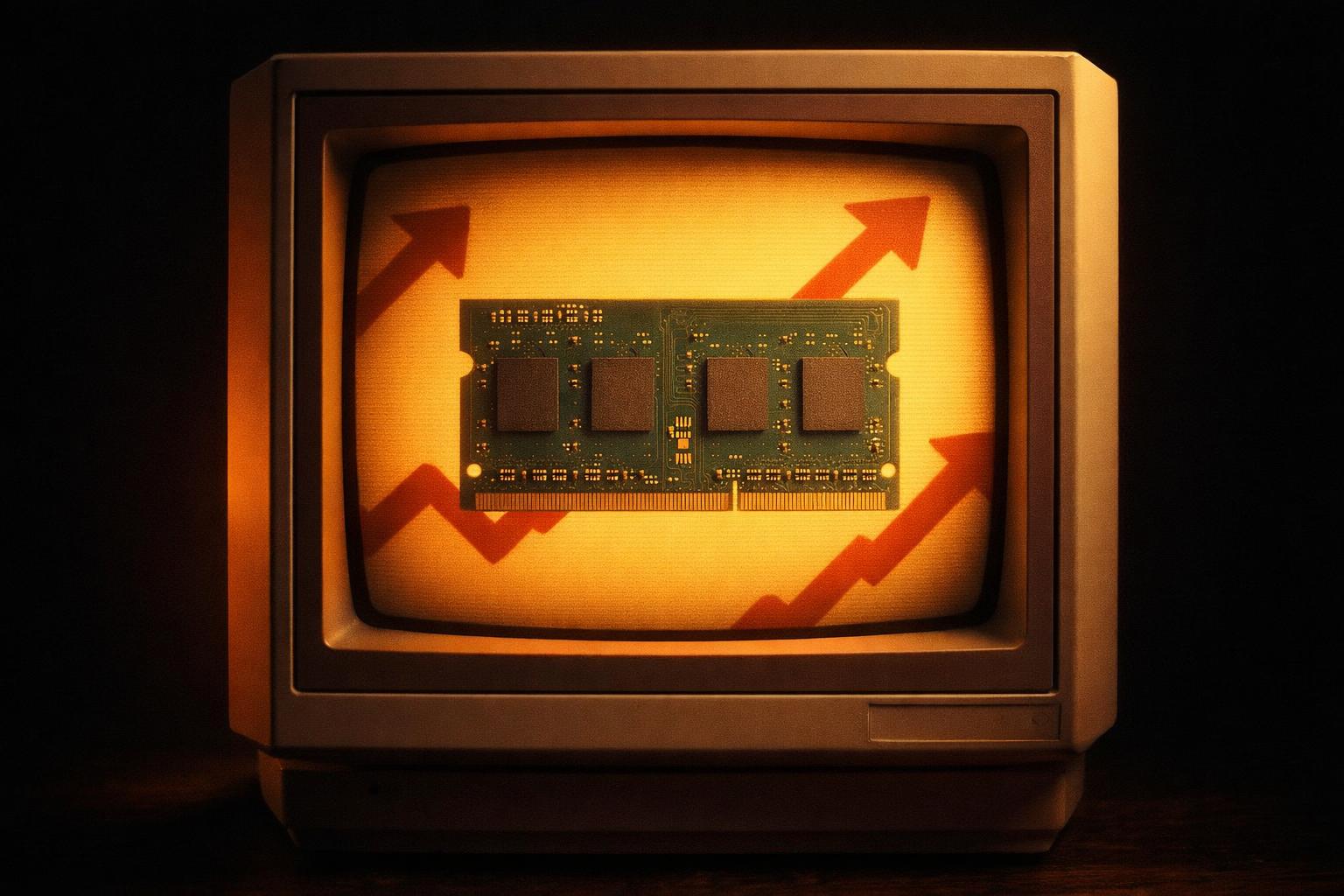
The global RAM shortage has reached crisis levels that could kill products and entire companies, according to Phison CEO Pua Khein-Seng. The memory executive delivered a stark warning that many system integrators will face bankruptcy by 2026 due to insufficient supply.
“A large number of consumer electronics companies will fail. From the end of this year to 2026, many system integrators will go bankrupt or exit product lines due to insufficient memory supply,” Pua told The Verge.
DRAM prices surged 172% throughout 2025, driven by AI infrastructure demand that has consumed manufacturing capacity. Memory producers now demand three years of prepayment — an unprecedented practice in the electronics industry. SK Hynix has already booked its entire capacity through the end of 2026.
The shortage has created severe supply constraints across the industry. Japanese electronics chains reported only 2-4 weeks of DRAM supply on hand in October 2025, down from 13-17 weeks in mid-2025. Pua described himself and others as “memory beggars” with customer fulfillment rates under 30%.
Major PC manufacturers are feeling the impact. Dell Technologies COO Jeff Clarke said the company had “never witnessed costs escalating at the current pace.” Lenovo CFO Winston Cheng described the cost surge as “unprecedented” and disclosed memory inventories 50% above normal levels.
Mobile phone shipments are expected to decline by 200-250 million units globally due to rising memory costs. Even niche players like Raspberry Pi have raised prices, while Libre Computer noted a single 4GB LPDDR4 module now costs $35 — more than all other components combined on their single board computers.
Apple appears less affected, having secured long-term supply agreements through Q1 2026. But companies with thin margins like TCL, Xiaomi, and Lenovo face substantial hits to profitability.
The crisis stems from a structural shift in manufacturing toward high-margin AI products. Micron reported HBM and cloud-related memory grew from 17% of DRAM revenue in 2023 to nearly 50% in 2025. Three companies control 93% of the DRAM market and have prioritized profits over production expansion.
Analysts warn the shortage could persist into 2027-2028 when new fabrication plants come online. Contract manufacturers suggest the shortage may last until 2030 in worst-case scenarios.
Read more: The RAM crunch could kill products and even entire companies, memory exec admits